

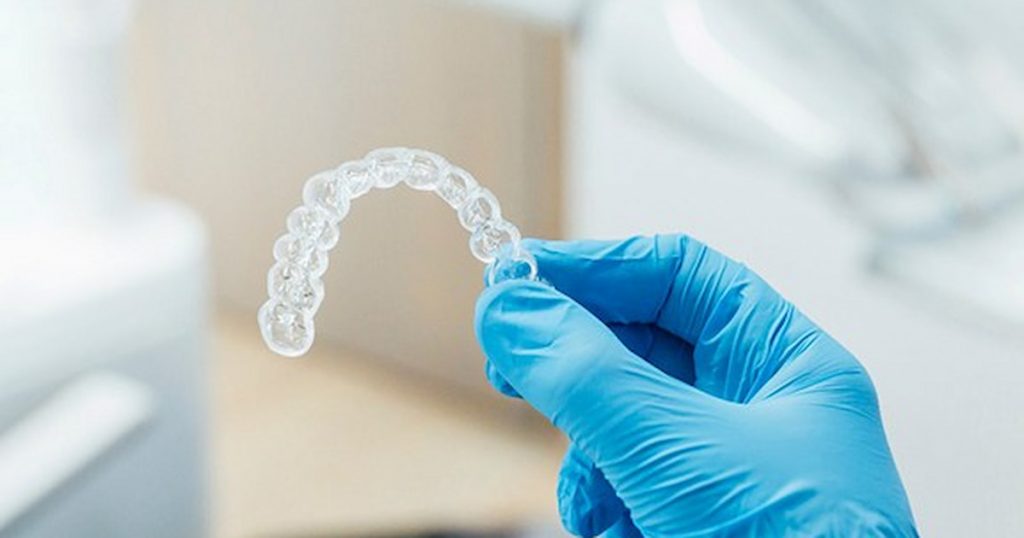
Cloudy trays, bad odors, increased plaque buildup, gum irritation, and even cavities can sometimes develop when aligners are not cleaned properly or worn as instructed.
Understanding how to maintain Invisalign aligners is about more than keeping the trays looking clean. Proper care helps protect your teeth and gums, supports successful tooth movement, reduces the risk of dental emergencies, and helps prevent unnecessary interruptions to treatment.
In this article, we will discuss the habits we recommend to maintain Invisalign and the mistakes we frequently see in dental practice.
The Daily Routine We Recommend to Invisalign Patients
One of the most common questions we hear is how often aligners should be cleaned. The answer is simple. Invisalign aligners should be cleaned every day, just as your teeth should be cleaned every day.
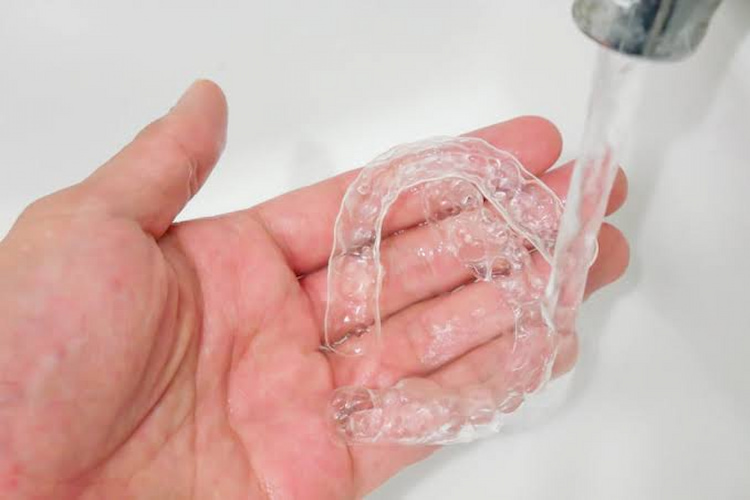
Rinse Aligners Whenever You Remove Them
Saliva contains minerals that can accumulate on aligner surfaces. Once these deposits harden, they become more difficult to remove. Rinsing aligners immediately after taking them out can help reduce buildup.
Clean Aligners in the Morning
After being worn overnight, aligners may contain bacteria and plaque deposits that should be removed before starting the day. A daily morning cleaning helps keep aligners fresher and clearer.
Clean Aligners Before Bed
At the end of the day, aligners have been exposed to saliva and oral bacteria for many hours. Cleaning them before bedtime helps reduce accumulation overnight.
Although Invisalign aligners are removable, maintaining good oral hygiene is just as important as it is with traditional braces. To compare daily cleaning routines, read our guide on how to keep your braces clean.
If you would like to learn more about recommended cleaning techniques and products for clear aligners, this Healthline article on how to clean Invisalign offers practical tips and maintenance advice.
Oral Hygiene Is Just as Important as Aligner Hygiene
Many Invisalign patients pay close attention to their trays but underestimate the importance of brushing and flossing. Healthy teeth and gums remain essential throughout orthodontic treatment.
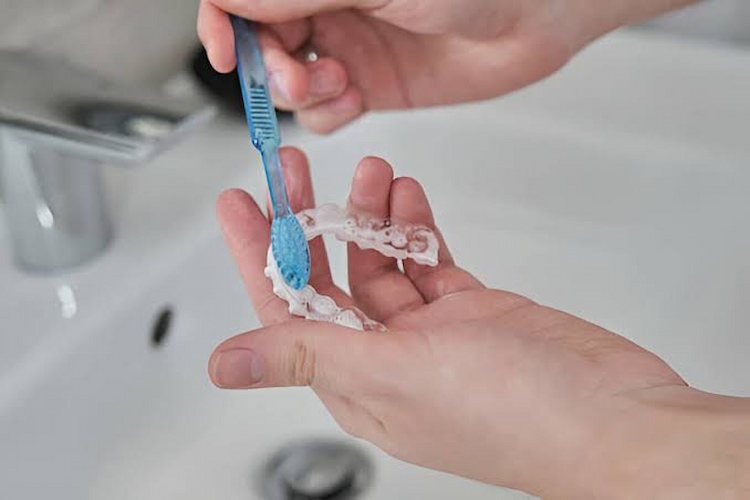
Brush Before Reinserting Aligners
One of the most common mistakes we see is placing aligners back in the mouth immediately after eating. Food particles and sugars can become trapped beneath the trays and remain against the teeth for extended periods.
Floss Every Day
Plaque commonly accumulates between teeth where a toothbrush cannot reach. During Invisalign treatment, flossing helps remove debris before aligners are placed back into position.
Schedule Regular Dental Checkups
Routine dental examinations allow dentists to identify cavities, gum inflammation, or other concerns before they become more serious. Professional dental cleanings also help remove plaque and tartar that cannot be eliminated through home care alone.
“Dr. Alireza Golabchifar: As dentists, we frequently see Invisalign patients who develop preventable issues such as cavities, gum inflammation, bad breath, cracked aligners, and treatment delays because of improper aligner care.”
At Empress Walk Dental, our dental hygiene in North York is designed to gently remove plaque and buildup. Our clinic is conveniently located near Yonge Street and Empress Avenue, making it easy to fit dental care into your routine.
The Most Important Habits We Encourage
These recommendations are among the most valuable habits for Invisalign patients:
- Wear aligners for the prescribed 20 to 22 hours each day.
- Store aligners in a protective case when not in use.
- Brush and floss before putting aligners back in your mouth.
- Clean aligners every day using approved methods.
- Attend scheduled Invisalign and dental appointments.
Healthy gums play an important role in successful Invisalign treatment. If you experience bleeding gums during your oral hygiene routine, read our guide on why gums bleed while flossing to understand possible causes and when to seek dental care.
Mistakes That Frequently Lead to Dental Visits
As dentists, we regularly see patients who experience problems because of a few common habits.
Using Hot Water to Clean Aligners
Hot water can distort the plastic material used in Invisalign trays. Even slight changes in shape may affect how the aligners fit against the teeth.
Leaving Aligners Out in the Open
Aligners placed on restaurant tables, countertops, or wrapped in napkins are often misplaced or accidentally discarded. Lost aligners can interrupt treatment and sometimes require replacement.
Wearing Dirty Aligners
Aligners that are not cleaned regularly can develop stains, odors, and visible deposits. This buildup may also increase bacterial exposure inside the mouth.
Foods and Drinks That Cause Problems for Invisalign Wearers
Coffee is one of the most common concerns among Invisalign patients because it can affect aligner appearance and hygiene. Learn more about how to drink coffee with Invisalign while protecting your treatment results.
| Food or Drink | Why It Matters | Possible Problem |
|---|---|---|
| Eating with Aligners In | Food can get trapped under the aligners, and chewing may damage them. | Cracks, poor fit, cavities |
| Coffee and Tea | Dark drinks can stain the aligners. | Yellow or cloudy trays |
| Sugary Drinks | Sugar can stay trapped against the teeth. | Tooth decay and plaque buildup |
| Acidic Drinks | Acids can weaken tooth enamel. | Sensitivity and cavities |
| Hot Drinks | Heat can affect the shape of the aligners. | Warped aligners and poor fit |
| Water | Water is safe to drink while wearing aligners. | Helps keep aligners and teeth cleaner |
When Invisalign Problems Become Dental Emergencies
Most Invisalign issues are minor, but some situations deserve prompt attention:
- Cracked or Broken Aligners: Damaged trays may not apply pressure correctly and can interfere with treatment progression.
- Sudden Tooth Pain: Pain that develops unexpectedly should be evaluated to determine whether decay, infection, or another dental issue is present.
- Significant Gum Swelling: Swelling around the gums should not be ignored, especially if it is accompanied by pain or bleeding.
- Signs of Infection: Persistent swelling, severe discomfort, or signs of infection require professional assessment as soon as possible.
Why patients choose Invisalign
In North York!
Take them out to eat the foods you love and brush normally. No broken brackets, no emergency wire pokes, fewer office visits.
Traveling With Invisalign
Patients often tell us that maintaining their routine becomes more difficult while traveling. Planning can help prevent setbacks.
Carry a Storage Case
A protective case remains one of the simplest ways to prevent loss or damage.
Bring Oral Hygiene Supplies
Having a toothbrush, toothpaste, and floss readily available makes it easier to clean your teeth before reinserting aligners.
Stay Consistent With Wear Time
Changes in routine should not significantly reduce daily aligner wear. Maintaining recommended wear time helps keep treatment moving forward.
Maintain Your Invisalign Aligners for Better Treatment Results
Proper Invisalign care plays an important role in protecting your aligners, maintaining good oral hygiene, and supporting the progress of your orthodontic treatment. Simple daily habits such as cleaning your trays, brushing and flossing regularly, and avoiding common mistakes can help prevent staining, buildup, and problems that may interrupt your treatment.
At Empress Walk Dental, we provide Invisalign treatment, emergency dental care, professional dental cleanings, preventive dentistry, dental fillings, and other dental services in North York. Contact our office to schedule an appointment and receive professional guidance for your Invisalign care.
FAQ
-
How often should Invisalign aligners be cleaned?
Aligners should be cleaned daily and rinsed whenever they are removed.
-
Can I use toothpaste on Invisalign aligners?
Some toothpaste products contain abrasive ingredients that may scratch the aligners.
-
Why do my Invisalign trays smell bad?
Odors often develop because of bacterial buildup on the aligners or poor oral hygiene.
-
Can I drink coffee while wearing Invisalign?
Coffee can stain aligners and is generally best consumed after removing the trays.
-
What happens if I lose my aligners?
Contact your dentist promptly for instructions regarding replacement or the next stage of treatment.
Have You Experienced Problems With Invisalign Aligners? Share your experience or question below.