
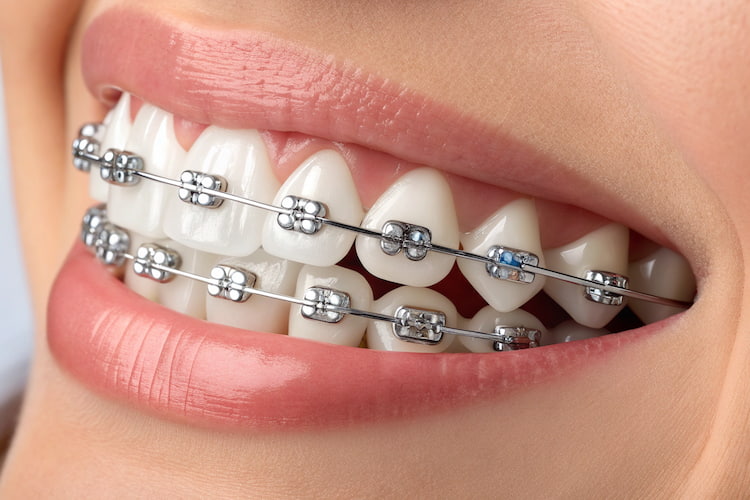
Dental Braces in North York
Traditional braces remain one of the most effective ways to correct complex alignment and bite issues. At Empress Walk Dental, we provide detailed treatment planning and close monitoring to ensure steady progress. Our goal is to deliver a straight, healthy smile with long-term stability.
Book an Appointment
The Process of Getting Dental Braces
Your braces treatment begins with a detailed assessment and a personalized plan based on your teeth, bite, oral health, and orthodontic goals.
Consultation & Assessment
Your dentist will examine your teeth and bite, review your dental history, and discuss what you would like to improve. X-rays, photographs, or other records may be recommended when needed.
Your Treatment Plan
If braces are suitable for you, a personalized treatment plan is created outlining the type of braces, expected tooth movement, treatment goals, and estimated treatment timeline.
Placing the Brackets
Your teeth are cleaned and prepared before orthodontic brackets are carefully bonded to the tooth surfaces. Each bracket is positioned according to your treatment plan.
Archwire & Regular Adjustments
An orthodontic wire is placed through the brackets to begin controlled tooth movement. Regular appointments allow your dentist to monitor progress and make adjustments throughout treatment.
What Should You Expect?
It is common to experience mild pressure or tenderness after your braces are first placed or adjusted. This usually improves as your mouth becomes accustomed to the appliances.
Your dental team will provide instructions on brushing, flossing, foods to avoid, and managing temporary discomfort. The length of each appointment and your overall treatment time will depend on your individual orthodontic needs.
Advantages of Modern Braces and Orthodontic Treatment
Today’s orthodontic treatments offer more options for improving tooth alignment, bite, comfort, and appearance. Depending on your needs, treatment may involve traditional braces, clear aligners, or additional orthodontic techniques.
Discreet Treatment Options
Clear aligners such as Invisalign use a series of transparent, removable trays to gradually move the teeth. Because they are less noticeable than metal braces, they can be appealing to patients who prefer a more discreet orthodontic treatment.
More Flexibility With Eating & Cleaning
Removable clear aligners can be taken out while eating, brushing, and flossing. This means patients generally have fewer food restrictions than they would with fixed braces, while still needing to follow their recommended daily wear schedule.
Digital Treatment Planning
Digital scans and computer-assisted treatment planning can help your dentist assess tooth movement, plan each stage of treatment, and monitor your progress more accurately.
Additional Orthodontic Support When Needed
In selected cases, temporary anchorage devices (TADs) or other orthodontic techniques may be used to help control specific tooth movements and support the overall treatment plan.
How Often Are Braces Adjustments Needed?
Regular follow-up appointments allow your dentist to monitor tooth movement, check your braces, and make adjustments when needed to keep your treatment progressing as planned.
Your exact appointment schedule may vary depending on your treatment stage, the type of braces you have, and how your teeth are responding.
Review Your Progress
Your dentist checks how your teeth and bite are responding and compares your progress with the treatment plan.
Adjust Your Braces
Archwires, elastic ties, or other components may be adjusted or replaced when needed to continue controlled tooth movement.
Check Oral Hygiene
Your dental team may check areas around the brackets and provide guidance on brushing, flossing, and keeping your teeth and gums healthy.
Plan the Next Visit
Your next appointment is scheduled according to your progress and the next stage of your orthodontic treatment.
Mild pressure or tenderness is common after braces are adjusted. This usually improves as your teeth become accustomed to the new pressure.

Lifestyle changes when wearing traditional metal braces
The success of your treatment will greatly depend on how well you take care of your metal braces when you start wearing them. Brushing and flossing often are recommended but you must use the right interdental brush and a fluoride mouth rinse to ensure you reach the spaces underneath the dental arch wires and get rid of any bacteria that could be stuck in these areas. If you don’t take good care of your teeth when wearing the braces, you may end up damaging the enamel. We recommend brushing your teeth at least 3 times daily. This could mean having to carry your toothbrush to school or work in order to clean your teeth after lunch.
When wearing traditional metal braces, you may also have to avoid certain foods that are likely to break the brackets. For instance, sticky foods, hard candy, and very sugary or acidic foods are not recommended for those wearing metal braces. They can get stuck in the bracket and break the bond between the tooth enamel and the bracket. Some hard foods can even break the braces themselves.
How metal braces are removed
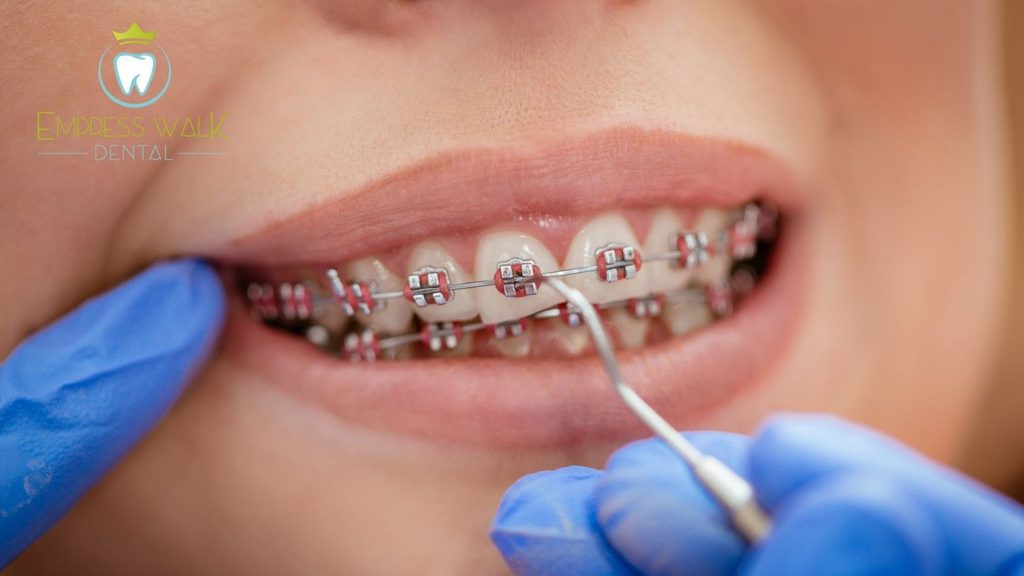
Once the treatment period is complete, you’ll visit your orthodontist to have your braces removed. The removal process is quite straightforward. The orthodontist will need to gently break the bond between the brackets and your teeth. However, the adhesive behind will be left to act as a protective layer for the tooth structure. Once the brackets have been removed, the bonding cement is removed using a special tool that’s similar to what’s used when filling a cavity. The braces removal process isn’t painful. It may cause the gums to be slightly inflamed. With proper oral hygiene, this will go away in just a few days.
What to Do Once Your Braces Are Removed
After your braces are removed, your dentist will usually recommend a retainer to help keep your teeth in their new positions. Retainers are an important part of orthodontic treatment because teeth can gradually shift after braces are removed.
Your retainer will be selected or customized based on your bite and treatment results. Wearing it as instructed helps reduce the risk of orthodontic relapse and protects the progress you achieved during treatment.
Your dental team may also clean and polish your teeth and remove any remaining orthodontic adhesive at or around the time your braces are removed.
How Long Will You Need to Wear Retainers?
How long you need to wear a retainer depends on your orthodontic treatment and how stable your teeth are after braces.
Many patients are advised to wear their retainers more frequently during the early months after treatment and then transition to nighttime wear. Long-term retainer use is often recommended because teeth can continue to shift over time.
Your dentist will provide a wear schedule that fits your individual needs.
Regular dental cleanings and good oral hygiene are also important after braces. If you are concerned about tooth staining or colour changes, options such as teeth whitening can be discussed once your braces have been removed and your oral health has been assessed.
Why Choose Our Dental Clinic in North York?
Experienced team providing gentle, pain-free care
Easy appointment scheduling and flexible hours
Modern technology for safe and effective treatment
Calm, friendly, and comfortable environment
FREQUENTLY ASKED
QUESTIONS
Still have a question ?
Call: (647) 503-4224
How long does treatment with dental braces take?
Treatment time varies depending on the amount of tooth movement required, your bite, and the complexity of your orthodontic needs. Some cases may take around a year, while more complex treatment can take longer. Your dentist can provide a more personalized estimate after examining your teeth and bite.
Are braces painful?
Getting braces placed should not be painful, but it is common to experience pressure or tenderness during the first few days and after some adjustment appointments. This usually improves as your mouth adapts to the braces.
Can adults get braces?
Yes. Braces can be used for both teenagers and adults who want to correct tooth alignment or certain bite concerns. Age alone does not determine whether braces are suitable; the health of your teeth, gums, and supporting bone is also important.
What should I do if a bracket or wire breaks?
Contact your dental clinic if a bracket becomes loose or a wire breaks or begins irritating your mouth. Avoid trying to remove or reposition the appliance yourself unless your dental team has specifically instructed you how to manage the issue temporarily.
How much do braces cost in North York?
The cost of braces depends on the type of appliance, treatment complexity, and expected treatment duration. Empress Walk Dental lists orthodontic treatment generally in the range of $6,000 to $8,500 and up, but your actual cost is determined after an orthodontic assessment and personalized treatment plan.
We want to see you!

Empress Walk Dental is a full-service dental clinic offering services near North York Centre and we are looking forward to being the first choice for you and your family’s dental care!