

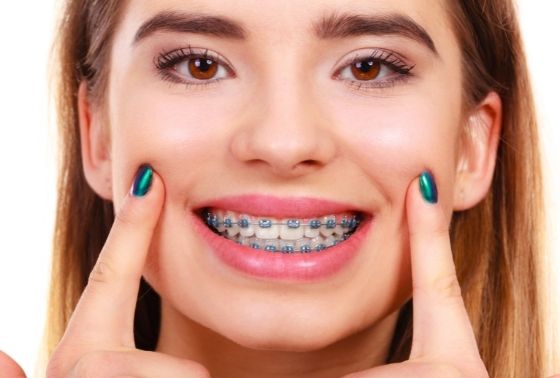
Orthodontic treatment is an exciting step towards achieving a beautiful smile. However, the path to perfectly aligned teeth requires dedication and careful attention. Many patients inadvertently make common mistakes that can prolong treatment, lead to complications, or even damage their braces. Understanding common mistakes when wearing braces is the first step to a perfect result.
This guide from Empress Walk Dental will help you understand and avoid common mistakes when wearing braces, so that the success of your orthodontic treatment is ensured from start to finish.
Mistake 1: Ignoring Proper Oral Hygiene
Maintaining excellent oral hygiene is crucial when you have braces. Brackets and wires create many new places for food particles and plaque to hide, making cleaning more challenging. Neglecting your cleaning routine is one of the most significant errors patients make.
Not Brushing Properly
Many patients continue to brush their teeth the same way they did before getting braces. This oversight often leads to plaque buildup around the brackets and along the gum line, increasing the risk of cavities, gum inflammation, and white spots on the enamel once braces are removed.
Solution: Brush your teeth after every meal and snack, or at least twice a day. Use a soft-bristled toothbrush and angle it both above and below your brackets to clean all surfaces. Spend at least two minutes brushing, paying extra attention to each tooth and bracket. An electric toothbrush with an orthodontic head can be highly effective. For patients under orthodontic treatment, knowing how to brush with braces is crucial.
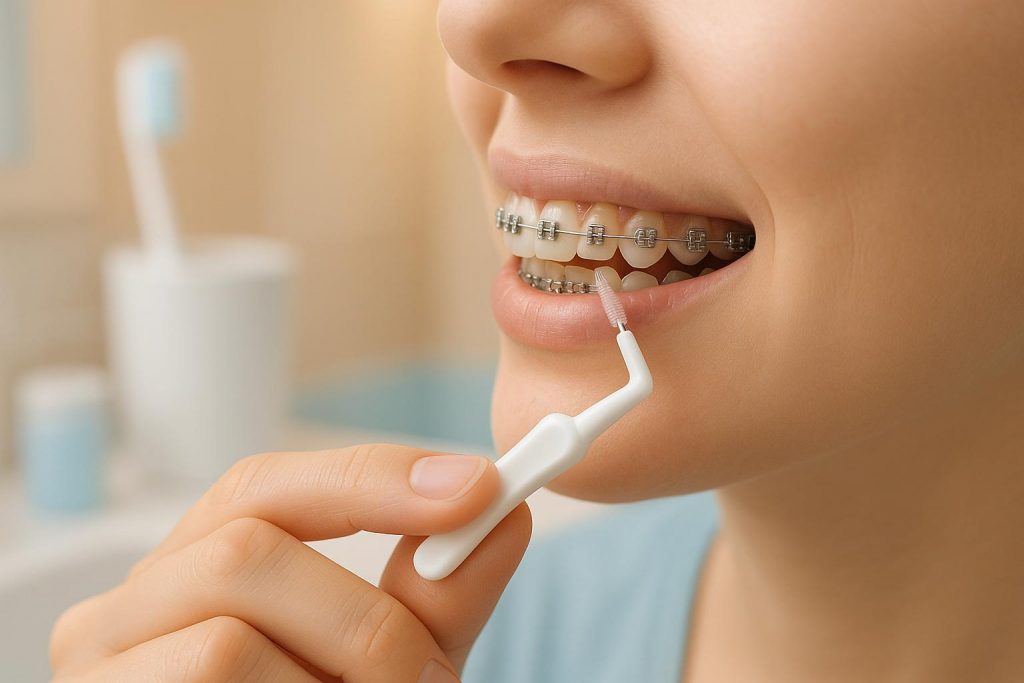
Skipping Flossing
Flossing with braces can seem daunting, leading many to skip it altogether. However, neglecting to floss means leaving food debris and plaque trapped between your teeth and under the wires, which can cause gum disease and interproximal cavities.
Solution: Make flossing a priority every day. Use floss threaders, orthodontic floss, or a water flosser to clean between your teeth and under the archwire. A water flosser can be particularly effective at dislodging food particles and cleaning around brackets.
Mistake 2: Eating the Wrong Foods
Your diet plays a significant role in protecting your braces from damage. Certain foods can break brackets, bend wires, or get stuck in your appliance, causing discomfort and delaying your treatment.
Hard, Sticky, and Chewy Foods
These types of foods are notorious for causing damage to braces. Biting into something too hard can pop off a bracket, while sticky foods can pull wires or get hopelessly lodged in your appliance. Chewy foods can also put excessive strain on your braces.
Solution: Strictly avoid foods to avoid with braces, such as popcorn, nuts, hard candies, chewing gum, taffy, caramel, and hard bagels or crusty bread. Cut firmer fruits and vegetables into small, bite-sized pieces before eating. Opt for softer foods like pasta, yogurt, soft cheeses, mashed potatoes, and cooked vegetables.

Sugary and Acidic Drinks/Foods
While not directly damaging to the braces themselves, excessive consumption of sugary and acidic items like soda can be detrimental to your teeth while wearing braces. Sugar feeds bacteria that cause cavities, and acids can erode tooth enamel, especially in areas that are harder to clean around brackets.
Solution: Limit your intake of sodas, sports drinks, fruit juices, and sugary snacks. If you do consume them, rinse your mouth thoroughly with water afterward or brush your teeth if possible. This helps to neutralize acids and wash away sugar, protecting your enamel from decay.
Mistake 3: Neglecting Braces Damage or Discomfort
It is normal to experience some discomfort or minor issues with your braces. However, ignoring these can lead to bigger problems and prolong your orthodontic treatment. Knowing how to handle braces’ emergencies or persistent pain is key.
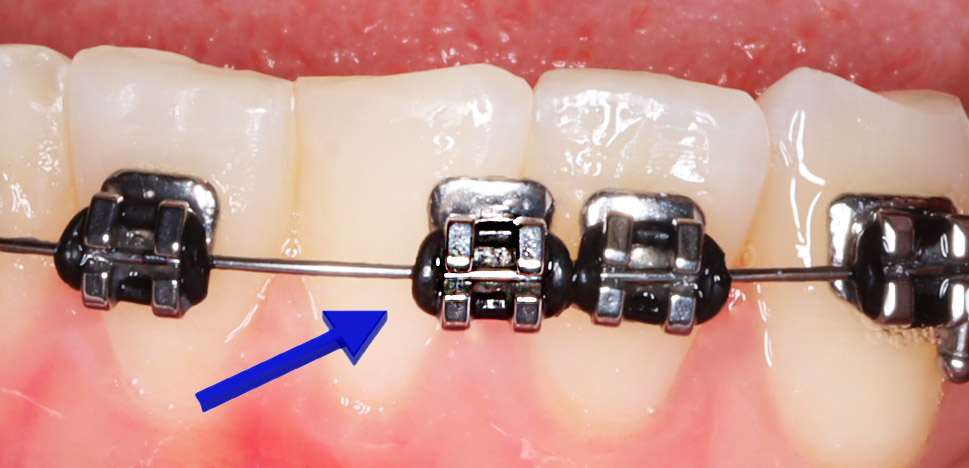
Not Addressing Loose Wires or Brackets
A loose brace wire or detached bracket can cause irritation to your cheeks or gums. More importantly, it can hinder the proper movement of your teeth, delaying your treatment progress.
Solution: If a wire is poking you, try to gently push it back into place with a clean cotton swab or eraser, or cover the sharp end with orthodontic wax. If a bracket becomes loose or detaches, keep it if possible and call your dentist immediately to schedule a repair. Do not attempt to fix it yourself.
Ignoring General Discomfort
Initial soreness after adjustments is common, but persistent or severe pain should not be ignored. Unmanaged discomfort can make it difficult to eat, speak, and maintain good oral hygiene, potentially impacting your overall well-being.
Solution: For general soreness, over-the-counter pain relievers can help. Rinsing with warm salt water several times a day can reduce gum irritation. Stick to soft foods during periods of discomfort. If pain is severe or worsens, contact our team for advice.
Mistake 4: Missing Orthodontist Appointments
Regular appointments with your orthodontist are a non-negotiable part of your orthodontic treatment. These visits allow us to adjust your braces, monitor your progress, and address any potential issues.
Solution: Adhere strictly to your appointment schedule. Each visit is carefully timed to ensure your teeth move efficiently and safely. Missing appointments can significantly delay your treatment timeline and may lead to new problems going unnoticed. If you need to reschedule, inform your dentist as soon as possible.
Mistake 5: Poor Habits and Appliance Misuse
Certain habits can inadvertently damage your braces or undermine your treatment efforts. Understanding these habits and how to manage them is crucial to preventing braces damage.
Picking at Your Braces or Chewing on Non-Food Items
Fingers, pens, pencils, or ice cubes are not friends to your braces. Picking at your brackets or chewing on hard, non-food items can bend wires, loosen brackets, or introduce bacteria into your mouth.
Solution: Be mindful of these habits and consciously work to break them. If you find yourself fidgeting, try to distract yourself with a healthier habit. Remember that your braces are delicate and designed to move teeth gently, not withstand strong chewing forces.
Misusing Elastics or Retainers
If your orthodontist prescribes elastics (rubber bands) or a retainer (after braces removal), it is vital to follow their instructions precisely. Inconsistent wear of elastics can delay your bite correction, and neglecting your retainer can cause your teeth to shift back to their original positions, undoing all your hard work.
Solution: Wear your elastics exactly as instructed – how many hours a day, and how to attach them. For retainers, wear them for the prescribed duration, which often starts full-time and gradually reduces. Your retainer is essential for maintaining your new smile for a lifetime.
What to Do If You Make a Mistake
Everyone makes mistakes, and it’s okay. The most important thing is to address them quickly. If you’ve damaged your braces, are experiencing unusual pain, or have any concerns, do not hesitate to contact Empress Walk Dental. Our team is here to provide guidance and support throughout your entire orthodontic treatment journey. We can offer braces care tips and schedule an emergency visit if needed.
Invisalign or Braces? Let’s Figure It Out Properly
If you realize you have been making some of these common mistakes, the best time to correct is now. Minor errors in care can lead to avoidable complications, but a quick professional check-in can get your treatment back on the right timeline.
Schedule your appointment now!
Conclusion
Your braces are an investment in your oral health and confidence. By understanding and actively working to avoid common mistakes when wearing braces, you play a crucial role in achieving the best possible results. Remember these braces care tips: prioritize your oral hygiene, make smart food choices, address issues promptly, attend all appointments, and follow all instructions regarding your appliances.
At Empress Walk Dental, we support you every step of the way. If you have questions or concerns, our compassionate team is always here to help. Together, we can ensure your orthodontic treatment success and help you achieve the smile you deserve.
FAQ
Can I still play sports with braces?
Yes, you can! However, it is essential to protect your braces and mouth from injury. We recommend wearing a custom-fitted mouthguard during any contact sports or activities where there’s a risk of facial impact. This helps prevent damage to your braces and protects your lips, cheeks, and teeth.
How long will I wear braces?
The duration of orthodontic treatment varies for each individual, depending on the complexity of their case and how well they follow their treatment plan. On average, most patients wear braces for 18 to 36 months. Your orthodontist will provide a more precise estimate during your initial consultation.
What if a bracket comes off?
If a bracket comes off, try to save it if possible. Contact your dentist as soon as you can to schedule an appointment for repair. Do not attempt to reattach it yourself. If the loose bracket is causing irritation, cover it with orthodontic wax.
Is it normal for my teeth to feel loose when wearing braces?
Yes, it is common and normal for your teeth to feel slightly loose during orthodontic treatment. This is a sign that your braces are working and your teeth are moving into their new positions. The ligaments holding your teeth in place are temporarily stretched and loosened. This sensation usually subsides as your teeth settle into their corrected alignment.
Can I chew gum with braces?
Generally, chewing gum is not recommended with braces, especially sticky types. Gum can easily get caught in brackets and wires, making it very difficult to clean and potentially causing damage. Some sugar-free gums might be tolerated by certain patients, but it’s best to consult with your orthodontist first.
Have questions about your braces?
Share your experience or ask your question below.