

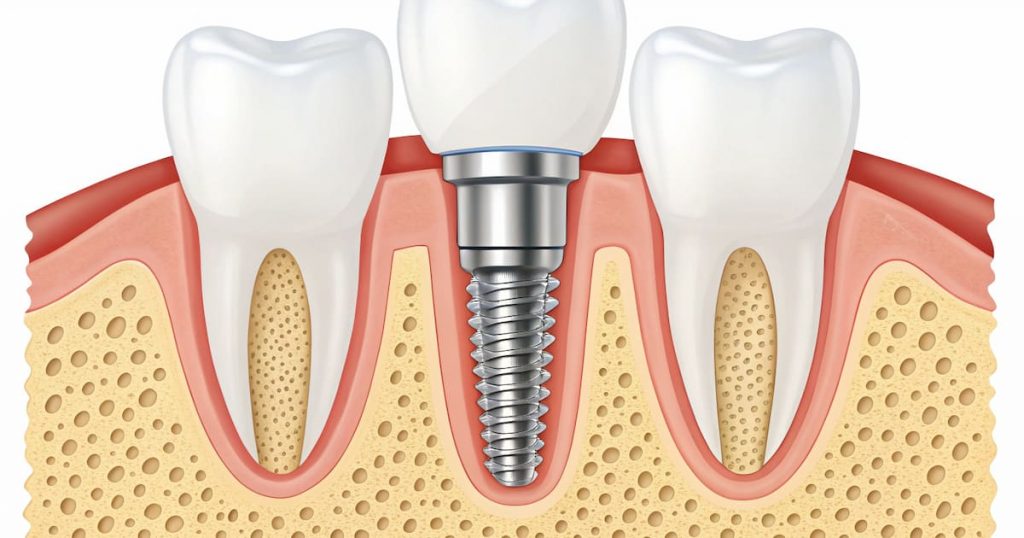
If you’ve been researching dental implants, you may have come across the term endosteal and wondered what it actually means. In simple terms, endosteal refers to something placed inside the bone, and in dentistry, it describes the most common type of dental implant used to replace missing teeth.
An endosteal dental implant is a small post, usually made of titanium, that is surgically placed into the jawbone. Once it heals and bonds with the bone, it acts like the root of a natural tooth and supports a crown, bridge, or denture. This approach is widely used because it provides strong, stable, and long-lasting results while looking and feeling natural.
For patients considering tooth replacement, understanding what endosteal means helps you feel more confident about your treatment options and what to expect during the process.
What Is Endosteal?
In medical and dental terms, endosteal means “inside the bone.” In dentistry, it refers to implants placed directly into the jawbone rather than resting on top of it.
According to Healthline, Endosteal implants are the most commonly used dental implants today because they closely mimic natural tooth roots. Once the implant integrates with the bone, it creates a secure foundation for replacement teeth, allowing you to chew, speak, and smile with confidence.
How Endosteal Implants Work
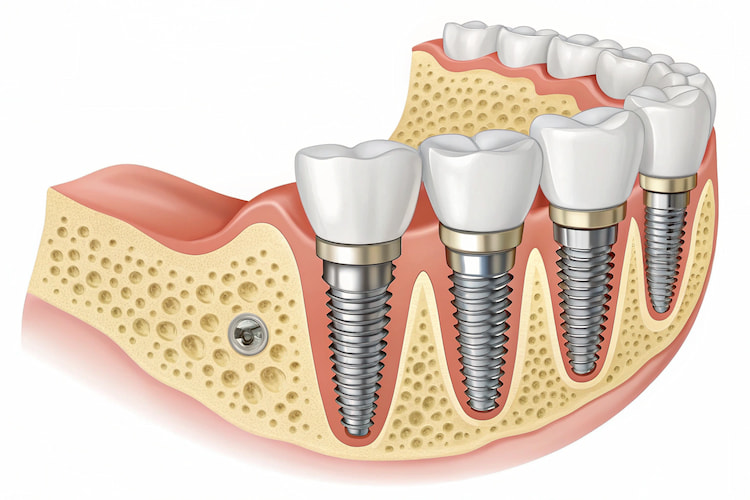
An endosteal implant system has three main parts:
- An implant post: placed in the jawbone
- An abutment: connects the implant to the crown
- A crown or prosthetic tooth: it restores appearance and function
Each part works together to create a strong and natural-looking tooth replacement that blends seamlessly with your smile. If you’re deciding between implants and other tooth replacement options, this guide on implants vs bridges can help you understand which solution best fits your needs.
Osseointegration and Healing
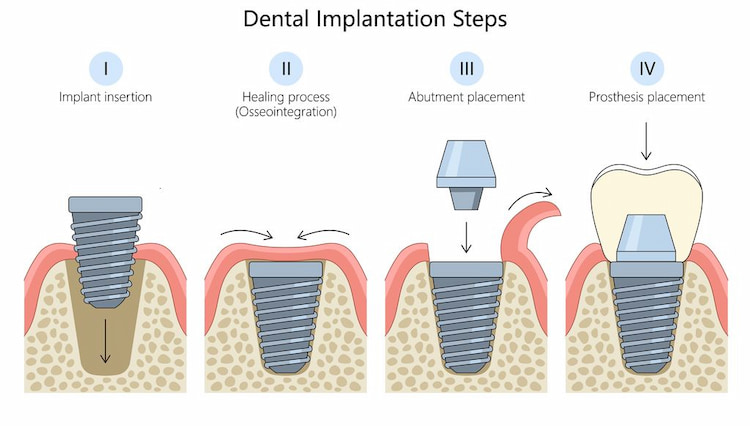
After placement, the implant undergoes a process called osseointegration, in which the bone gradually bonds to the implant surface. This healing stage is essential because it gives the implant its stability and strength. Once healed, the implant becomes part of your jaw structure and can support daily biting and chewing forces comfortably.
Who Is a Good Candidate for Endosteal Implants?
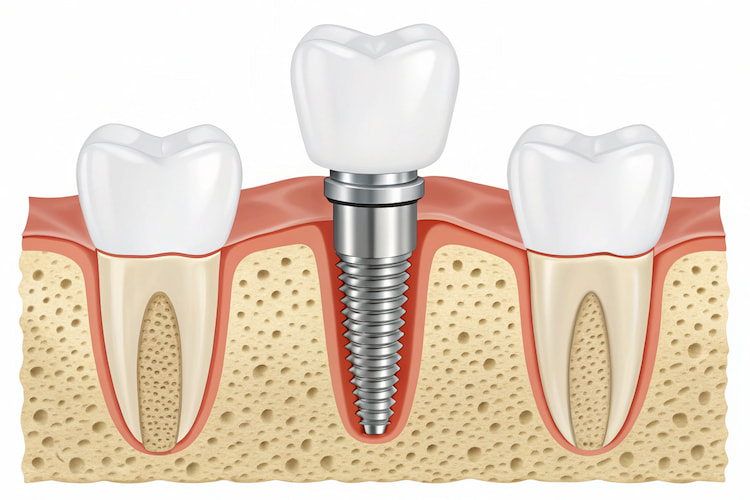
Most healthy adults who have lost one or more teeth can be candidates for endosteal implants. Ideal patients usually have healthy gums and enough jawbone to support the implant, though bone grafting can sometimes be done if bone volume is limited.
Your dentist will evaluate your oral health, medical history, and bone structure to determine whether endosteal implants are right for you. Even patients who have worn dentures for years may still qualify with proper planning and care.
To learn more about why so many patients choose this option, explore the benefits of dental implants and how they can improve comfort, confidence, and long-term oral health.
What to Expect During the Endosteal Implant Process
The process usually begins with a consultation and imaging to assess your jawbone and oral health. If suitable, the implant is placed into the bone during a minor surgical procedure. Healing typically takes a few months while osseointegration occurs.
Once healed, an abutment and crown are attached, restoring the look and function of your missing tooth. Many patients are surprised by how natural the implant feels and how much it improves daily comfort and confidence for patients who have experienced tooth loss complications.
Benefits and Drawbacks of Endosteal Implants
For most patients, the benefits significantly outweigh the drawbacks, especially when seeking a permanent solution to missing teeth.
Benefits:
- Strong, stable support for replacement teeth
- Natural look and feel
- Long-lasting with proper care
Considerations:
- Requires adequate bone or grafting
- Healing time before final crown placement
- The surgical procedure involved
Endosteal Implants vs Subperiosteal Implants
Endosteal implants are placed inside the jawbone, while subperiosteal implants sit on top of the bone but beneath the gums. Subperiosteal implants are usually used when a patient does not have enough jawbone and cannot undergo bone grafting.
Most patients today receive endosteal implants because they offer better long term stability, a more natural feel, and broader treatment options for dental crowns, fixed bridges, and implant-supported dentures. If you’re considering dentures, this guide on the pros and cons of removing all natural teeth to get dentures explains when that option may make sense and what to expect.
If you want to help older adults protect their oral health and understand how preventive care impacts overall well-being, this resource on CDC dental care for seniors explains important recommendations and practical tips for maintaining healthy teeth and gums.
Long-Term Care and Maintenance of Endosteal Implants
Endosteal implants are designed to last many years, but good daily care is essential for long-term success. Brushing twice a day, flossing around the implant, and attending regular dental checkups help keep the surrounding gums healthy and prevent infection. With proper hygiene and professional care, many patients enjoy their implants for decades.
Common Questions and Concerns About Endosteal Implants
Many patients worry about pain, recovery time, and success rates. Most people experience only mild discomfort after surgery, which usually improves within a few days. Endosteal implants have a high success rate, especially when placed in healthy bone and maintained with good oral hygiene, making them one of the most reliable tooth replacement options available today.
Restore Your Smile With Confidence
At Empress Walk Dental, we offer personalized implant care using advanced technology and gentle techniques. Whether you need a single implant, implant-supported dentures, crowns, or cosmetic dentistry, our team is here to help you smile comfortably again.
Schedule your appointment now!
What is endosteal, and your next step toward a healthy smile
Endosteal implants provide a stable and natural-feeling solution for replacing missing teeth, helping patients chew, speak, and smile confidently without the worries that come with loose or missing teeth. By integrating directly with the jawbone, they also support long-term oral health and preserve bone structure, making them a dependable option for lasting comfort and function.
At Empress Walk Dental, we also offer a wide range of services, including emergency dentists in North York, teeth whitening, and oral surgeries like tooth extraction. Whether you’re exploring your options or ready to restore your smile, our team is here to guide you toward healthier, more confident teeth.
FAQ
-
What is endosteal in dentistry?
Endosteal refers to dental implants that are placed directly inside the jawbone to support replacement teeth.
-
Are endosteal implants permanent?
With proper care, they can last decades and often a lifetime.
-
Is the procedure painful?
Most patients experience minimal discomfort, which is manageable with medication and rest.
-
How long does healing take?
Healing typically takes three to six months before the final crown is placed.
-
Can smokers get endosteal implants?
Smoking can affect healing, but some patients may still qualify after evaluation and counseling.
Have a question about dental implants or tooth replacement?
Leave a comment below, and our dental team will be happy to help you understand your options.