
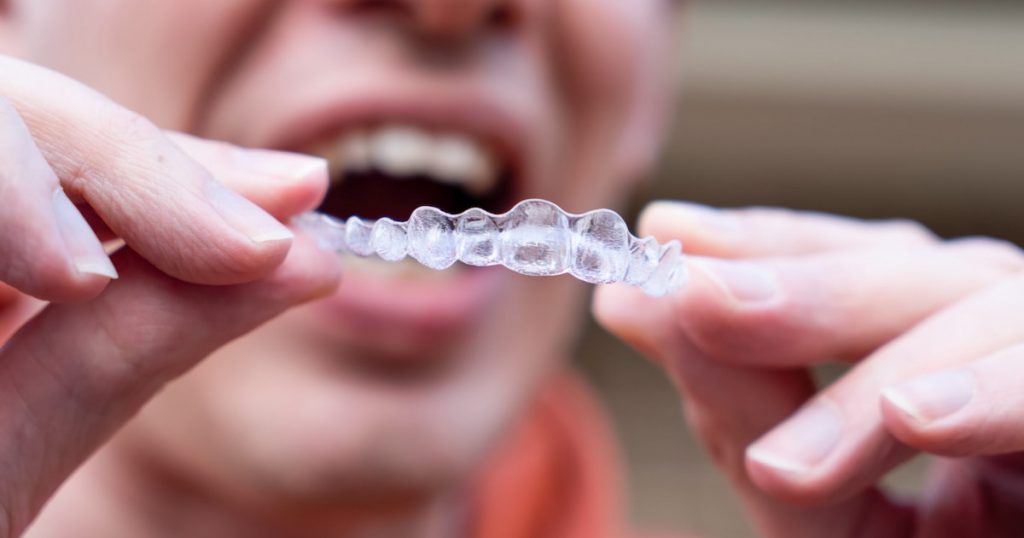
Invisalign has become one of the most popular alternatives to traditional braces because it uses clear, removable aligners to gradually move teeth into better positions. However, not every dental concern can be treated the same way, and the success of Invisalign depends on several factors.
Determining whether Invisalign is right for you involves evaluating your oral health, the condition of your teeth and bite, your daily habits, and your commitment to following treatment instructions. Understanding these factors can help you make an informed decision before scheduling a consultation.
Key Factors That Help Determine If Invisalign Is Right For You
Before deciding whether Invisalign is the right treatment for you, it is important to understand the factors that influence candidacy. Clear aligners work best when your dental condition, oral health, and daily habits align with the treatment requirements.
Evaluating these areas can help you better understand whether clear aligners are likely to meet your expectations and deliver successful results.
Step 1: Assess Your Orthodontic Concerns
The first step in determining whether Invisalign is right for you is understanding what you hope to correct.
Consider whether you are concerned about crooked teeth, crowding, gaps, or bite problems. The specific issue you want to address will play an important role in determining your treatment options.
A professional examination can provide a clearer picture of the complexity of your case and whether Invisalign can effectively achieve your goals. Learn more about orthodontic options for adults.
Step 2: Evaluate Your Oral Health
Healthy teeth and gums create a strong foundation for successful orthodontic treatment. Before beginning Invisalign, your dentist will check for signs of:
- Tooth decay
- Gum disease
- Oral infections
- Damaged restorations
Any existing dental problems may need to be treated before orthodontic treatment can begin. Addressing these concerns first helps ensure a smoother, more predictable outcome.
Step 3: Consider Your Daily Habits
Invisalign requires a higher level of patient responsibility than many people realize.
Wearing Aligners Consistently
For Invisalign to work effectively, aligners must typically be worn for 20 to 22 hours each day. Removing them too often can delay progress and affect treatment results.
Maintaining Good Oral Hygiene
Since aligners fit closely around the teeth, maintaining excellent oral hygiene is essential. Patients should brush and floss regularly and clean their aligners as instructed.
Following Treatment Instructions
Successful treatment depends on following your dentist’s recommendations, attending appointments, and changing aligners according to the schedule.
Straighten your smile with personalized orthodontic care for all ages through our Orthodontic Services in North York.
What Is Invisalign and How Does It Work?
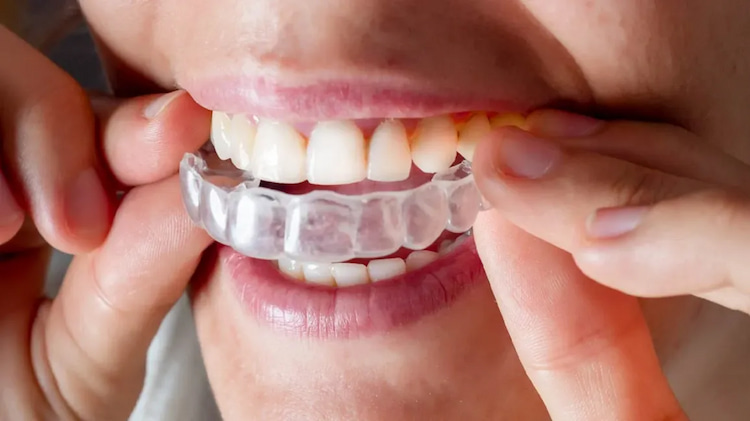
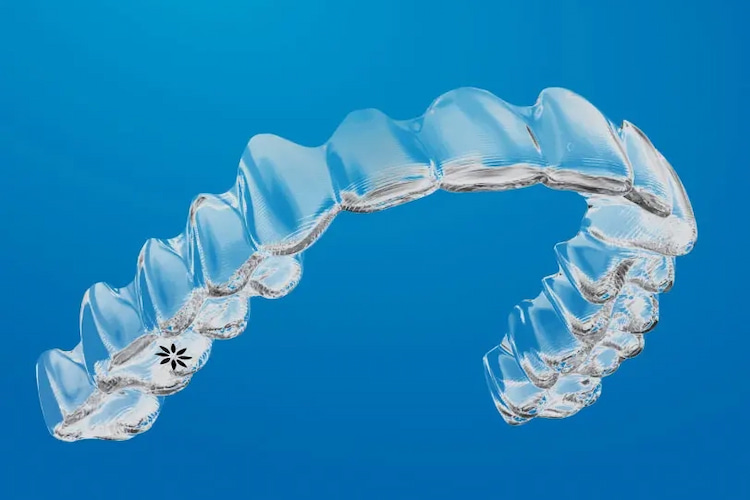
Invisalign is an orthodontic treatment that uses a series of custom-made clear aligners to gradually shift teeth into their desired positions. Each aligner is designed using digital scans and advanced treatment planning technology.
Unlike traditional braces, clear aligners are removable. Patients wear each set for a specific period before moving to the next set in the series. Over time, these small adjustments create noticeable improvements in tooth alignment and bite function.
What Makes Clear Aligners Different from Braces
Traditional braces use metal brackets and wires that remain attached to the teeth throughout treatment. Clear aligners can be removed when eating, drinking, brushing, and flossing.
Many patients appreciate the flexibility and discreet appearance of clear aligners, especially in professional and social settings.
If you are comparing treatment options, learn more about the differences between clear aligners and braces in our guide to Invisalign vs traditional braces.
Benefits of Choosing Invisalign
Many patients choose Invisalign because it offers several advantages over traditional braces.
- Discreet Appearance: One of the most appealing benefits is the aligners’ near-invisible appearance. Most people may not even notice you are wearing them.
- Improved Comfort: Without brackets and wires, many patients experience less irritation to the cheeks and gums.
- Easier Eating: Since aligners can be removed, there are no major food restrictions. Patients can continue enjoying their favorite foods throughout treatment.
- Simplified Oral Care: Brushing and flossing remain easier because the aligners are removable, helping patients maintain better oral hygiene.
You may also find it helpful to learn about proper oral care during treatment by reading our guide to brushing your teeth with braces.
Common Dental Problems Invisalign Can Treat
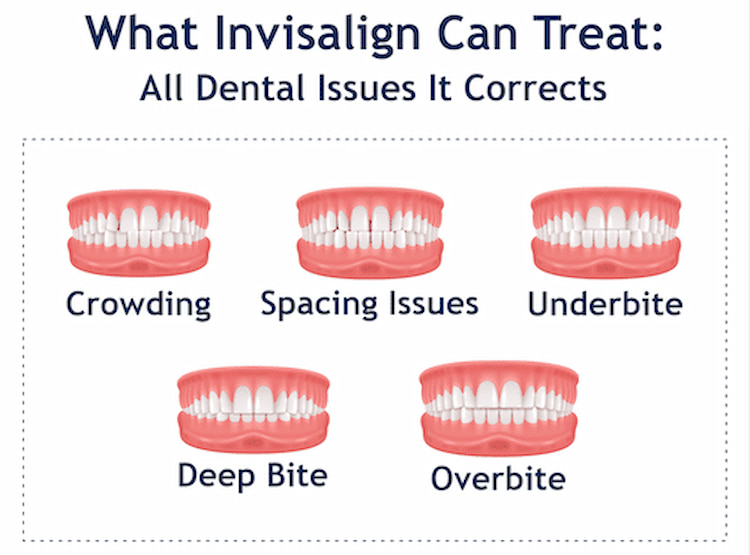
Invisalign has advanced significantly over the years and can address many orthodontic concerns. For example, Invisalign may help correct certain bite issues, including overbites, depending on their severity. You can learn more about this topic in this helpful Healthline article.
Crowded Teeth
Crowded teeth occur when there is not enough room in the mouth for proper alignment. This can make brushing and flossing more difficult and may increase the risk of tooth decay and gum disease.
Invisalign can gradually create space and improve alignment in many cases of mild to moderate crowding.
Gaps Between Teeth
Spacing issues can affect both appearance and function. Gaps may trap food particles and impact the overall balance of your smile.
Clear aligners can help close unwanted spaces while improving the overall appearance of your teeth. If you are interested in learning more about enhancing your smile, read our guide on How to Improve Your Smile with Orthodontic Treatment.
Overbite and Underbite
Many patients are surprised to learn that Invisalign can often improve certain bite issues. Depending on the severity, treatment may help correct overbites, underbites, crossbites, and other alignment concerns.
Situations Where Invisalign May Not Be Ideal
Although Invisalign is highly effective, it is not the best solution for every patient. Some complex tooth movements and severe orthodontic problems may be better addressed with traditional braces, which can provide greater control in certain cases.
Invisalign also relies heavily on patient compliance, so individuals who frequently forget to wear their aligners may not achieve the desired results. In addition, some severe bite complications may require additional orthodontic approaches or specialized treatment plans to ensure the most effective and predictable outcome.
Read 5 Things You Didn’t Know About Adult Orthodontics for additional insights into modern treatment options and what to expect.
Questions to Ask During Your Consultation
Asking the right questions can help you make an informed decision.
Consider discussing treatment length, expected results, costs, retention requirements, and any alternatives that may better suit your needs.
Understanding the complete process allows you to move forward with confidence.
If you are already considering Invisalign treatment, you may also wonder about daily habits during treatment. Learn more in our guide on whether you can drink coffee with Invisalign.
Your Invisalign Options at Empress Walk Dental!
At Empress Walk Dental, our team provides comprehensive Invisalign consultations, digital treatment planning, and personalized care to help you achieve a healthier, more confident smile.
What Happens During an Invisalign Consultation?
An Invisalign consultation provides valuable information about your treatment options and helps determine whether clear aligners are the best solution for your smile goals.
Comprehensive Examination
Your dentist will evaluate your teeth, gums, jaw alignment, and overall oral health. This assessment helps identify any underlying dental concerns that may need attention before orthodontic treatment begins.
Digital Imaging and Scans
Modern digital scans create a highly detailed model of your teeth and help design a customized treatment plan. These images allow your dentist to visualize tooth movement and estimate treatment outcomes more accurately.
Personalized Recommendations
Based on the findings, your dentist can explain whether Invisalign is an appropriate solution and discuss alternative options if necessary. You will also have the opportunity to ask questions about treatment timelines, costs, and expected results.
Meet Dr. Kazumi Nagai
Dr. Kazumi Nagai is a Dentist at our clinic with expertise in orthodontics, restorative and prosthetic dentistry, surgical dentistry, cosmetic dentistry, and comprehensive patient care and oral health management. She is committed to providing personalized dental care and helping patients achieve healthy, functional, and confident smiles.
Signs You May Be a Good Candidate for Invisalign
Many successful Invisalign patients share several characteristics.
- Mild to moderate crowding or spacing issues
- Good oral health
- Commitment to wearing aligners consistently
- Desire for a discreet orthodontic solution
- Motivation to follow treatment instructions
While these signs can indicate suitability, a professional assessment remains the most reliable way to determine candidacy.
Take the First Step Toward Your Best Smile
While Invisalign can successfully treat many cases of crowding, spacing, and bite concerns, the most effective way to determine your candidacy is through a professional evaluation. A personalized assessment can help ensure you receive the treatment that delivers the healthiest and most predictable results for your smile.
At Empress Walk Dental, in addition to Invisalign treatment, we offer braces, professional dental cleanings, preventive dentistry, dental implants, and emergency dental services in North York.
FAQ
-
How do I know if Invisalign is right for me?
The best way to determine your eligibility is through a professional consultation. Your dentist will evaluate your teeth, bite, oral health, and treatment goals.
-
Is Invisalign suitable for adults?
Absolutely. Invisalign is a popular option for adults who want a discreet way to improve their smile.
-
How long does Invisalign treatment take?
Treatment times vary depending on the complexity of the case, but many patients complete treatment within 12 to 18 months.
-
Does Invisalign hurt?
Most patients experience mild pressure when starting a new aligner, but significant discomfort is uncommon.
Leave a comment or contact our team to learn more about Invisalign treatment, candidacy, treatment timelines, costs, and what results you can expect.