

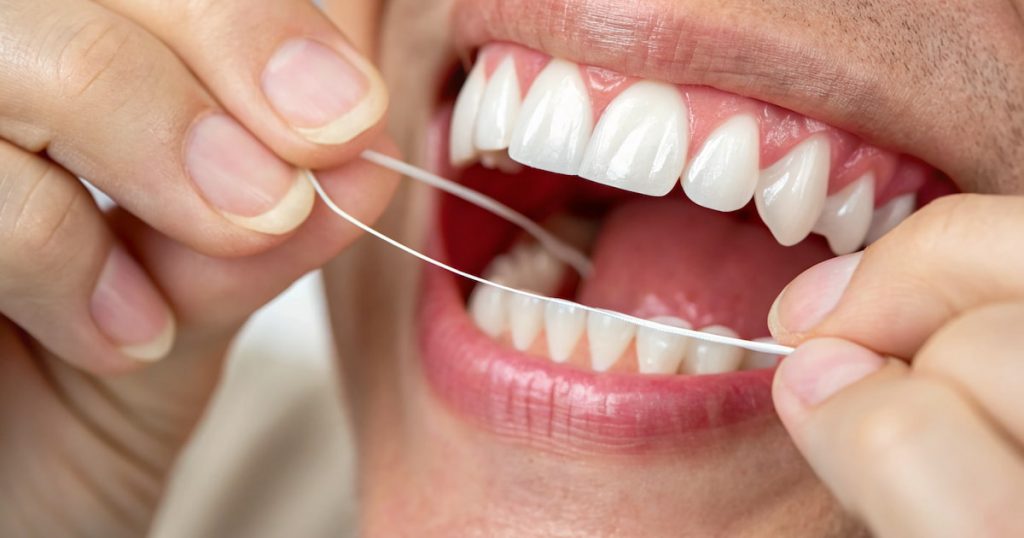
Many patients ask the same question during dental visits: Why do gums bleed while flossing? Bleeding usually means your gums are irritated or inflamed. This can happen when plaque builds up along the gum line or when flossing is not done regularly or gently.
If you are new to flossing or have recently resumed after a break, some gum bleeding is normal for a few days. However, gums are not meant to bleed every time you floss. Ongoing bleeding gums are often an early warning sign that your gums need better care or professional attention.
Understanding the cause helps you know whether this is something that will improve at home or something that should be checked by a dentist.
The Most Common Reasons Gums Bleed While Flossing
Occasional bleeding can be normal, especially if flossing has not been part of your daily routine. When plaque sits between teeth, it irritates the gums. Once you start flossing, those inflamed gums bleed while flossing.
Healthy gums usually stop bleeding within a week of consistent, gentle flossing. If bleeding continues beyond that, it is not considered normal and should be checked by a professional emergency dentist.
Plaque Buildup Along the Gum Line
Plaque is a sticky layer of bacteria that forms on teeth every day. When it is not removed by brushing and flossing, it settles near the gums and causes inflammation. Inflamed gums bleed while flossing.
This is one of the most common answers to why gums bleed while flossing, especially in patients who floss irregularly.
Early Gum Disease or Gingivitis
Gingivitis is the earliest stage of gum disease. It often causes redness, swelling, and is the reason why gums bleed while flossing. At this stage, gum disease is usually reversible with proper oral hygiene and professional dental cleanings.
Bleeding is often the first sign patients notice.
Proper brushing habits are especially important if you wear orthodontic appliances, since braces can trap plaque and increase gum irritation. Learn more in our guide on how to brush your teeth with braces to help protect your gums from bleeding while flossing.
Flossing Too Hard or Incorrectly
Using too much force, snapping the floss, or cutting into the gums is another important reason why gums bleed while flossing. This kind of bleeding may happen even if your gums are otherwise healthy.
Gentle technique is key. Floss should slide carefully between teeth and curve around each tooth, not dig into the gum tissue.
Inconsistent Oral Hygiene Habits
Flossing only once in a while allows plaque to harden and irritate the gums. When flossing is restarted, gums bleed while flossing is more likely. Consistency is what allows gums to heal and toughen naturally.

Hormonal Changes or Medical Conditions
Pregnancy, certain medications, diabetes, and vitamin deficiencies can make gums more sensitive and prone to bleeding. These factors can worsen gums bleed while flossing. If your gums bleed while flossing without a change in habits, a dental exam is important.
If you wear retainers, learning how to clean plastic retainers properly can help reduce irritation and support healthier gums.
How to Stop Bleeding Gums and Help Them Heal
Bleeding gums usually improve when the cause of irritation is removed and the gums are given time to heal. The key to stop gums bleed while flossing is gentle, consistent care rather than stopping brushing or flossing altogether.

Brush Gently but Thoroughly Every Day
Brushing twice a day helps remove plaque before it can irritate the gums. Use a soft bristled toothbrush and gentle pressure. Scrubbing too hard can damage gum tissue and make bleeding worse.
Make sure you brush along the gum line, where plaque often builds up, not just the surfaces of the teeth.
Floss Daily Without Skipping Days
Even if your gums bleed while flossing at first, daily flossing is important. Skipping days allows plaque to return and keeps the gums inflamed. Floss gently and consistently. Over time, healthy gums usually become firmer and bleed less as inflammation goes down.
Rinse With an Antibacterial Mouthwash
An antibacterial mouthwash can help reduce bacteria that cause gum inflammation. This can support healing and reduce bleeding when used along with brushing and flossing. Avoid mouthwashes that sting or burn, as these can irritate sensitive gums.
If you prefer a visual explanation, this short video from the Cleveland Clinic walks through “How to stop bleeding gums” to protect your oral health.
Keep Orthodontic Appliances Clean
Braces, retainers, and other appliances can trap plaque and bacteria near the gums. If they are not cleaned properly, gum irritation and bleeding can occur more easily. Cleaning these appliances daily helps reduce bacterial buildup and supports healthier gums.
Pay Attention to Diet and Overall Health
A balanced diet supports gum healing. Low levels of certain vitamins, especially vitamin C, can make gums more prone to bleeding. Drinking water, limiting sugary snacks, and avoiding smoking can also help improve gum health over time.

Schedule a Professional Dental Cleaning if Bleeding Persists
If your gums continue to bleed after a week or two of good home care, a professional cleaning may be needed. Hardened plaque cannot be removed with brushing alone. A dentist can also check for early gum disease and recommend treatment before the problem becomes more serious.
Concerned About Bleeding Gums?
At Empress Walk Dental, we help patients catch gum problems early and keep their smiles healthy. A simple exam and cleaning can make a big difference.
Schedule your appointment now!
When Bleeding Gums Mean You Should See a Dentist?
For most people, mild bleeding should improve within three to seven days of daily flossing. This means inflammation is going down and the gums are healing. Gums bleed while flossing should be checked if you notice any of the following:
- Bleeding that continues for more than one week
- Swollen, tender, or receding gums
A dental exam can identify gum disease early and prevent long term damage. In some cases, ongoing gum problems can be connected to more serious dental issues. Learn about the potential tooth loss complications and why early care for bleeding gums is important in preventing further problems.
For patients dealing with ongoing bleeding gums or missing teeth, dental implants can be a long-term solution to restore your smile and gum health. Learn about the benefits of dental implants too.

Why do Gums Bleed While Flossing and When Care Makes a Difference
Bleeding gums are often an early warning that your gums are irritated or inflamed. With gentle daily flossing, regular brushing, and professional dental checkups, most gum problems can be reversed before they get worse. Seeing a dentist early helps protect your teeth and keeps your gums healthy.
If bleeding continues, book a visit with Empress Walk Dental. We also offer preventive checkups, dental cleanings, fluoride treatment, cosmetic dentistry, emergency dental care, and dental implants in North York to support your full oral health journey.
FAQ
-
Why do my gums bleed every time I floss?
Gums can bleed when they are inflamed or irritated, often due to plaque buildup or early gum disease (gingivitis). New flossers or those returning after a break may notice bleeding that usually improves with gentle, consistent flossing.
-
Should I stop flossing if my gums bleed?
No. Stopping flossing allows plaque to build up and can make gum problems worse. Continue flossing gently every day, and your gums should gradually become healthier and stop bleeding.
-
Can bleeding gums heal on their own?
Mild bleeding caused by temporary irritation may improve with good oral hygiene. However, persistent bleeding usually signals a more serious issue, like gum disease, and should be checked by a dentist.
-
Is bleeding gums a sign of gum disease?
Yes, bleeding gums can be an early sign of gum disease (gingivitis or periodontitis). Other signs include redness, swelling, bad breath, or receding gums. Early detection and treatment can prevent more serious problems.
-
What dentist should I see for bleeding gums in North York?
You should see a general dentist or a periodontist for gum issues. At Empress Walk Dental, our team can evaluate your gums, provide professional cleanings, and recommend treatment to restore gum health.
Have you noticed bleeding when you floss or brush?
Leave a comment below and let us know what questions you have. Our team reviews patient questions regularly.