

Congratulations! You’ve successfully completed your orthodontic journey, and your braces are finally off. The feeling of a beautifully aligned smile is exhilarating. However, the path to a lasting straight smile doesn’t end when your braces come off; it transitions into a crucial period known as the retention phase after braces. This stage is just as important as the active treatment itself, ensuring your hard-earned results endure for years to come.
At Empress Walk Dental in Toronto, we understand that you’ve invested time, effort, and resources into achieving your ideal smile. The retention phase is your opportunity to protect that investment and truly “future-proof” your new alignment. Without proper retention, your teeth are likely to shift back towards their original positions, a phenomenon known as relapse.
Exploring Types of Retainers
The world of retainers offers various options, each with its own benefits and considerations. Your dental professional will recommend the best type of retainer based on your specific orthodontic needs, lifestyle, and the stability required for your unique bite. Understanding the different types of retainers can help you feel more informed about your options.
Removable Retainers
These retainers can be taken out for eating, brushing, and flossing. They offer flexibility but require discipline to wear them as prescribed.
- Hawley Retainers: Hawley retainers are classic retainers made of a custom-fitted acrylic base that sits against the roof of your mouth or along the inside of your lower teeth, connected by a metal wire that wraps around the outside of your teeth. They are durable, adjustable, and allow your upper and lower teeth to settle naturally.
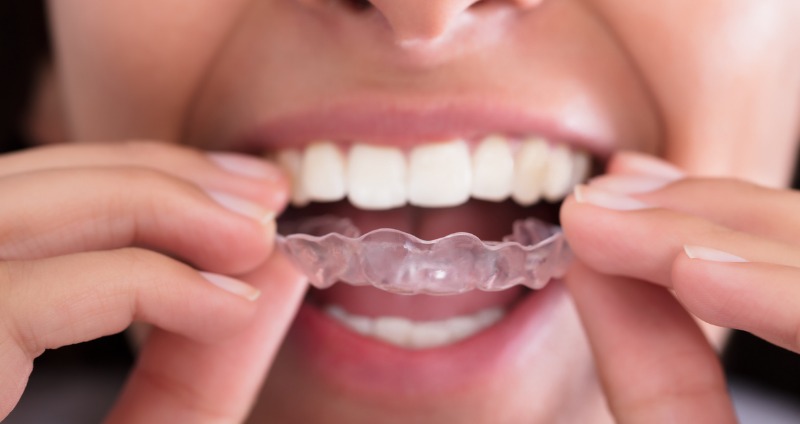
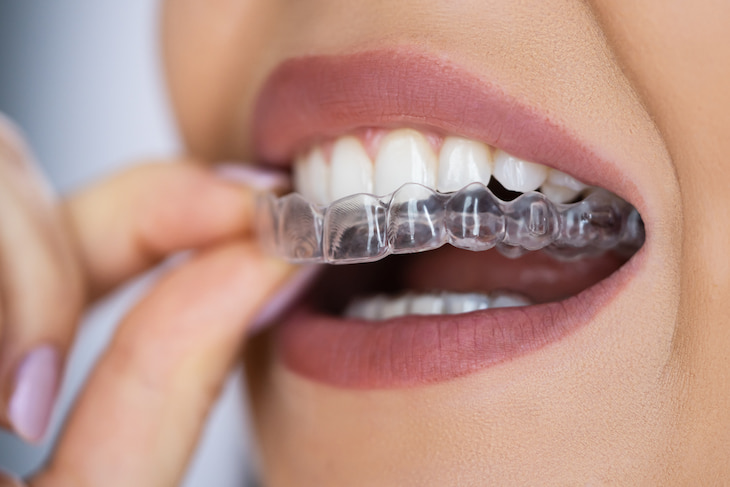
- Essix Retainers (Clear Retainers): Made from clear, vacuum-formed plastic, Essix retainers fit snugly over your entire arch of teeth, much like an Invisalign aligner. They are virtually invisible, making them a popular aesthetic choice. While discreet, they can sometimes show wear and tear more quickly than Hawley retainers.
Fixed or Permanent Retainers
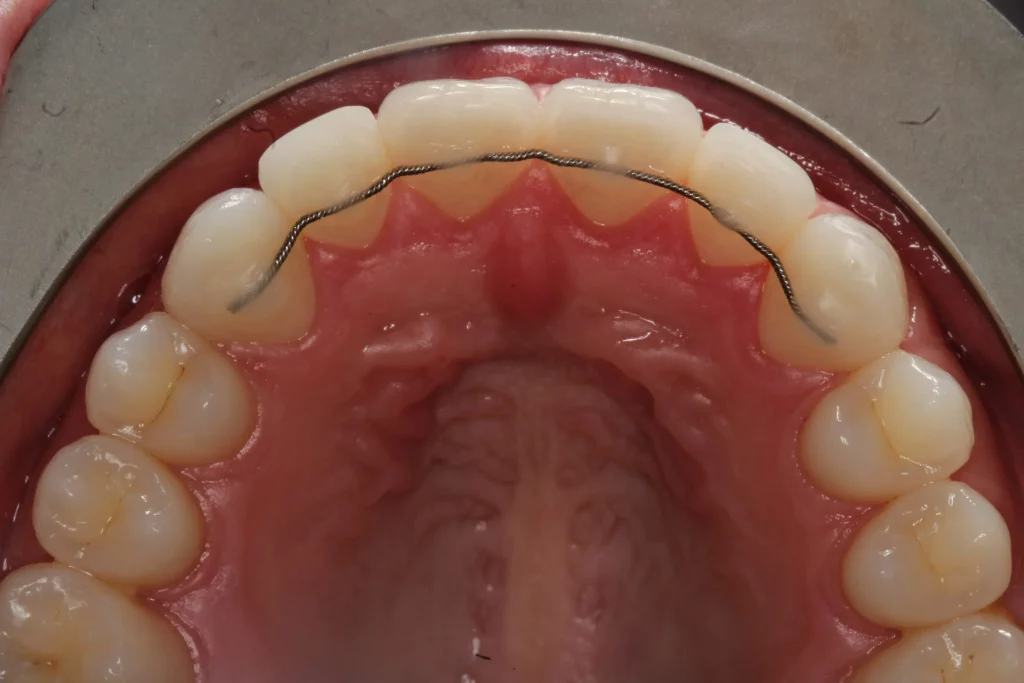
Also known as bonded or lingual retainers, these are small, thin wires custom-fitted and permanently bonded to the back (tongue side) of your front teeth, typically from canine to canine. They offer continuous retention and eliminate the worry of forgetting to wear them.
- Benefits of Permanent Retainers: They are always working, discreetly hidden behind your teeth, and don’t interfere with speech or eating once you’re used to them. They are excellent for preventing teeth shifting after braces in the most relapse-prone areas.
- Considerations: They require meticulous oral hygiene, as food particles and plaque can accumulate around the wire. Special flossing techniques are necessary, and regular dental check-ups are crucial to ensure the bond remains intact.
How Long Should You Wear Your Retainer?
One of the most common questions we hear is, “How long to wear a retainer?” The answer is often simpler, yet more demanding, than patients expect: for life. Initially, your orthodontist will prescribe full-time wear, usually for several months, only removing your retainers to eat and brush. This intensive period is critical for stabilizing your new smile.
After the initial phase, the wear schedule typically transitions to nighttime only. However, it’s crucial to understand that our teeth naturally shift throughout our lives due to aging, chewing forces, and even genetic factors. To truly prevent teeth shifting after braces and maintain that perfect alignment, wearing your retainers indefinitely, even if just a few nights a week, is often recommended. This long-term commitment is the key to a truly future-proof smile.
Essential Tips to Take Care of Your Retainers
Proper retainer care is vital for both their effectiveness and your oral hygiene. Neglecting your retainers can lead to bacterial build-up, odours, and even damage, making them less effective or unusable.
- Cleaning Removable Retainers: Brush them gently with a soft toothbrush and non-abrasive soap or a specialized retainer cleaner every time you brush your teeth. Avoid hot water, which can warp plastic retainers.
- Cleaning Fixed Retainers: Pay extra attention to flossing around the wire daily. Specialized floss threaders or interdental brushes can help clean beneath the bonded wire. Regular dental cleanings are also essential to remove tartar buildup.
- Storage: Always store removable retainers in their protective case when not in use. This prevents them from getting lost, damaged, or exposed to bacteria.
- Handling: Handle your retainers with care. Avoid wrapping them in napkins (a common way to lose them!) or leaving them where pets can reach them.
What Happens If You Don’t Wear Your Retainer?
Failing to wear your retainers as prescribed can have significant consequences for your smile. The most common outcome is orthodontic relapse, where your teeth begin to drift back towards their original positions. This can happen surprisingly quickly, often within weeks or months of stopping retainer wear.
If you don’t wear your retainer, you might notice gaps reappearing, crowding returning, or your bite becoming misaligned again. In severe cases, this relapse can be so significant that it necessitates a second round of orthodontic treatment, which involves additional time, expense, and discomfort. Protecting your smile with consistent retainer wear is far simpler and more cost-effective than correcting relapse.
Secure Your Smile’s Future!
Don’t risk losing the smile you’ve worked so hard for. Contact Empress Walk Dental in Toronto to ensure your retention plan is on track.
Schedule your appointment now!
Conclusion
The retention phase after braces is a testament to your commitment to a healthy, beautiful smile. It’s not an optional add-on but an integral part of your entire orthodontic journey. By diligently wearing and caring for your retainers, you are actively choosing to preserve the incredible results you’ve achieved.
At Empress Walk Dental, we are dedicated to helping our Toronto patients maintain their perfect smiles for a lifetime. We provide comprehensive guidance and support throughout your retention phase, ensuring you have all the tools and knowledge to succeed. Don’t leave your beautiful smile to chance.
FAQ
What if I lose or break my retainer?
It’s crucial to contact your dental clinic immediately if your retainer is lost or broken. Delaying can allow your teeth to shift, making your old retainer ineffective and potentially requiring a new impression or even adjustments to your teeth.
Can I eat and drink with my removable retainer in?
It’s recommended to remove your clear retainers for eating and drinking anything other than water to prevent damage, staining, and trapping food particles against your teeth.
Do I need to see my dentist during the retention phase?
Yes, regular check-ups with your general dentist are still essential for overall oral health. Your orthodontist or dental professional will also schedule follow-up appointments to monitor your retention and make any necessary adjustments to your retainers.
What if my teeth have already shifted slightly?
If you notice minor shifting, contact your dental professional right away. Sometimes, wearing your retainer more consistently can correct slight movements. In other cases, minor adjustments or a new retainer might be needed. The sooner you address it, the easier it is to correct.
Will my retainer hurt or feel uncomfortable?
When you first start wearing your retainer, you might experience some mild pressure or soreness as your teeth settle into their new positions. This discomfort is usually temporary and subsides quickly. If you experience persistent pain, contact your dental professional.
Have questions about the retention phase after braces?
Share your experience or ask your question below.