
Dental Crown in North York
The Permanent Fix for Weak Teeth
When a standard filling isn’t enough to repair deep decay or severe wear, your tooth is left vulnerable to further pain and damage. A dental crown acts as a durable, custom-fitted cap that covers the damaged tooth, instantly restoring its natural shape and strength. At Empress Walk Dental in North York, we design and place high-quality, permanent crowns, helping you chew comfortably and smile with confidence again.
- Custom crown options
- Digital impressions
- Insurance and CDCP assistance
- New patients welcome
Book Your Visit Online
Could a Dental Crown Save Your Tooth?
Below are the situations where we recommend a tooth crown.
Large or Failing Filling
A large, failing filling can leave little healthy structure behind. That raises the fracture risk, especially at the cusps, which is why we sometimes recommend a crown instead of another filling.
Cracked or Fractured Tooth
Pain when biting down is a common warning sign of a cracked or fractured tooth. In this situation, a crown can help hold it together.
Deep Tooth Decay
When a cavity goes deep, it eats away at the tooth from the inside. In this case, a filling doesn’t work, and a crown is a better solution.
Root Canal-Treated Tooth
After we perform a root canal treatment , depending on the tooth's position and structure, we may recommend a dental crown for added protection.
Worn or Heavily Damaged Tooth
Grinding or erosion can wear a tooth down over time. A crown can restore its shape and bite.
Old, Loose or Damaged Crown
Crowns can loosen, or decay may develop underneath without warning. We check the crown and the tooth beneath it and replace it with a new one.
Dealing with something more urgent? Severe pain, facial swelling, dental trauma, or a crown that's fallen off needs urgent care. Contact Our Emergency Dental Team .
What a Dental Crown Really Is?
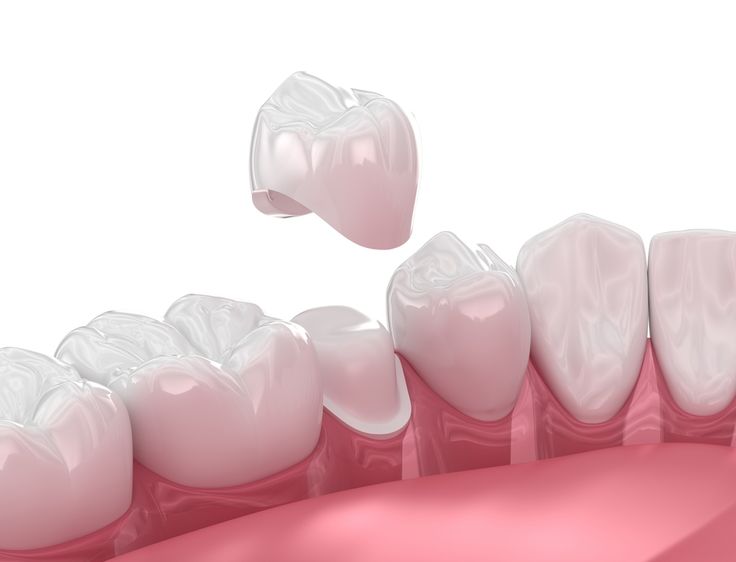
A dental crown is a custom-made covering that fits over the entire visible portion of a damaged tooth. This dental work, which is sometimes called a tooth cap, extends down to the gumline and restores the tooth’s shape and functions.
When a tooth becomes too weak from decay, fractures, worn dental enamel, or large fillings, a crown can reinforce and protect it from further damage. In restorative dentistry, crowns are commonly used to preserve natural teeth instead of removing them.
Missing a tooth entirely? A crown isn’t an option; a dental implant or fixed bridge may be a better fit.
Book a Dental Crown Assessment in North York
Cracked, worn down, decayed, or already crowned and giving you trouble? Bring it in. One visit to Empress Walk Dental gives you real answers. We’ll take a look and tell you exactly where things stand.
Crown, Filling, or Onlay: How Is the Treatment Chosen?
All three of these treatments work best for different situations.
| Restoration | General Role | Main Selection Factor |
|---|---|---|
| Filling | Repairs localized damage | When enough healthy structure remains. |
| Inlay or Onlay | Restores moderate damage | When partial coverage is sufficient. |
| Crown | Covers the visible tooth | When the structural loss needs full coverage |
Not sure what your tooth needs? We first check the extent of damage and remaining tooth structure, then recommend the best option.
How We Select the Right Crown for Your Tooth
Crowns are made from a few different materials, and each one suits different needs:
Tooth Position
Front teeth usually call for porcelain or all-ceramic for a natural look. On the other hand, back molars can often handle zirconia, PFM, or gold since appearance matters less there.
Amount of Healthy Tooth Remaining
Enough enamel and dentin must remain to support any crown material. Cases with limited structure often lean toward stronger materials like zirconia or PFM.
Bite and Grinding Forces
Heavy grinders and clenchers usually do better with a more fracture-resistant material like zirconia or metal. Porcelain alone can chip under strong forces.
Gum and Supporting Tissue Health
If your gums are prone to recession, an all-ceramic or zirconia crown may be a better choice than metal-based options, since they don't leave a visible line at the gumline over time.
Appearance and Material Priorities
For visible teeth, porcelain or all-ceramic crowns generally offer the best shade match and translucency. See Porcelain Crowns for more on the aesthetic options.
What Happens During Dental Crown Treatment?
Here’s what the steps of your dental crown treatment look like.
1. Examination and Treatment Planning
Performing X-rays and a clinical exam to assess tooth condition and gum health before choosing a material and workflow.
2. Local Anaesthetic and Tooth Preparation
Numbing the tooth and removing decay or old restorations. The tooth is then shaped for the crown.
3. Digital Scan or Dental Impression
Recording the prepared tooth and neighbouring teeth with our digital scanners.
4. Crown Fabrication
Creating your crown in a dental lab and placing a temporary crown while the final one is being fabricated.
5. Fit, Bite, and Final Placement
Checking margins and bite, along with adjustments, before cementing the crown in place.
Learn More: We also offer one-visit crowns, which means we create the crown in the clinic and place it the same day.
How Much Does a Dental Crown Cost in North York?
Dental crowns usually cost from $1500 to $1900 in North York. Since the final price depends on the material and your tooth condition, we’ll give you an estimate after the exam.

Dental Insurance
CDCP
How Long Can a Dental Crown Last?
- Brush twice daily around the crown margin
- Floss daily
- Attend regular dental exams
- Avoid using teeth as tools
- Manage grinding with a nightguard if recommended
- Contact us if the crown loosens or your bite changes