


Yes, removing all natural teeth and replacing them with dentures is possible. Many patients choose this path when their teeth cannot be saved or when chronic pain, infection, and functional issues make it impractical to restore each tooth individually. Dentures, whether traditional, implant-supported, or fully fixed, can restore comfort, aesthetics, and chewing ability after full-mouth tooth extraction.
This guide breaks down your options, what the treatment involves, and how to decide if this approach is right for you.
Why Do People Consider Removing All Their Teeth?
People consider removing all their teeth when they have serious dental problems like advanced decay, gum disease, tooth loss complications, or repeated infections that are difficult to fix individually. Ongoing pain, trouble chewing, and feeling embarrassed about their smile can also lead them to look for a fresh start. For many, taking out all the teeth and getting a denture becomes a practical and more affordable solution than constantly repairing damaged teeth.
What Are the Denture Options After Full Extraction?
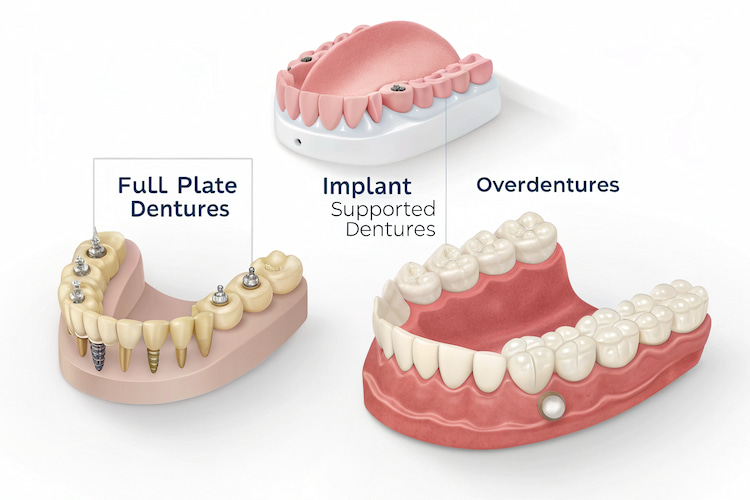
Once natural teeth are removed, patients can choose between removable, implant-based, or fully fixed denture solutions. According to the Cleveland Clinic’s denture overview, each option varies in comfort, stability, appearance, and long-term maintenance.
Removable Complete Dentures
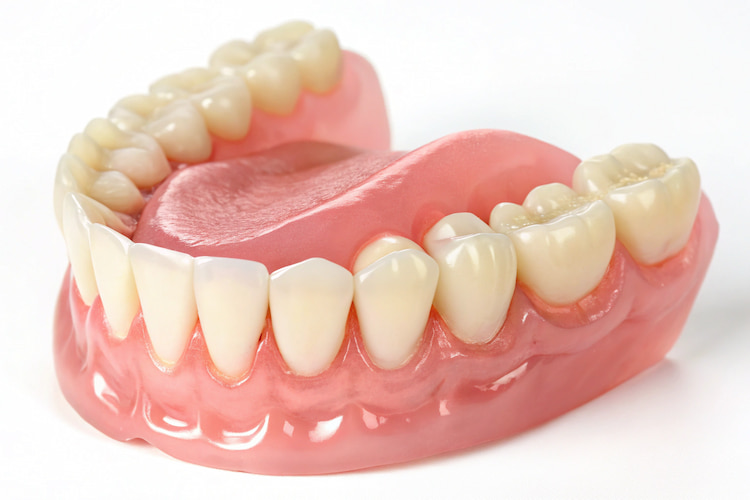
Traditional full dentures rest on the gums. They can replace an entire upper or lower arch and are the most accessible option. While affordable and customizable, they may require an adjustment period and occasional relining due to bone changes over time.
Implant-Supported Denture (Overdentures)
This option uses 2–4 dental implants to secure the denture, improving stability, comfort, and chewing power. Overdentures help reduce bone loss and feel more natural than traditional removable dentures.
Fixed Full-Arch Prosthesis (All-on-4 / All-on-6)
A fixed bridge anchored by implants does not come out. It offers maximum stability, excellent aesthetics, and strong bite force. This option is ideal for patients who want permanent, lifelike teeth after extraction.
For patients deciding between different restoration methods, this article on implants vs. bridges offers a clear side-by-side comparison.
Pros and Cons of Removing All Natural Teeth
Full-mouth extraction can dramatically improve quality of life for the right patient, but it’s important to understand both the benefits and the potential drawbacks.
Advantages
- Eliminates chronic pain and infection
- Offers a predictable, clean starting point
- Dentures can dramatically improve appearance and speech
- Implant-supported options allow near-natural chewing function
Risks and Disadvantages
- Traditional dentures may feel loose without implants
- Bone resorption continues over time without implant support
- Healing after extractions requires several weeks
- Costs vary depending on the type of denture and the need for implants
Maintenance and Long-Term Care
Full dentures need daily cleaning, routine dental visits, and periodic adjustments. Implant-supported systems require similar cleaning, plus periodic checks of implant attachments.
For more details on implant care and benefits, see our articles on dental implant basics and the advantages of dental implants.
The Process: From Extraction to Denture
The journey from damaged teeth to a full set of dentures follows a structured treatment plan to ensure comfort, function, and aesthetics.
Initial Consultation and Evaluation
Your dentist assesses gums, bone levels, bite, esthetics, and overall oral health through clinical exams and digital imaging. Together, you choose the best denture type for your goals and budget.
Extraction Phase and Healing
If full-mouth extraction is recommended, the procedure is carefully planned to ensure comfort. An immediate denture may be placed the same day, while the gums and bone heal underneath.
Impressions and Denture Design
Your dentist captures detailed impressions and bite records to design a denture that fits your facial structure, jaw alignment, and cosmetic preferences.
Fitting, Adjustments, and Follow-Up
Several appointments may be needed to refine the fit of your dentures, and over time, relines or new dentures may be required for optimal comfort. If you’re also looking for trusted dental care for your whole family, check out our guide to top-rated family dentistry in North York.
Thinking About Removing All Natural Teeth?
At Empress Walk Dental, we help you learn about all your options, from traditional to implant-supported and fixed solutions, so you can restore your smile, confidence, and chewing ability.
Schedule your appointment now!
Alternative Strategies (If You Don’t Want to Extract Everything)
Some patients choose to keep a few healthy teeth or start with removable dentures. This can make treatment easier and less expensive. Implants can also be added later to make dentures more stable, and patients can upgrade to full implant-supported teeth if they want.
Patient Considerations & Decision Factors
When choosing a denture solution, it’s important to consider your oral health, lifestyle, and personal priorities. Traditional dentures are less expensive, while implants cost more upfront but work better long-term. Your age, bone health, and overall wellness also affect which option is best. Finally, removing all natural teeth is a big decision, so understanding the process can help you feel more confident and prepared.

Take the Next Step to Remove All Natural Teeth and Get a Denture
Removing all your natural teeth and transitioning to dentures can be a life-changing choice, restoring comfort, function, and confidence. Whether you opt for traditional removable dentures, implant-supported options, or a fixed full-arch solution, professional guidance ensures a smooth, predictable process tailored to your needs.
At Empress Walk Dental, we don’t just help you replace teeth. We offer a full range of dental services to keep your smile healthy and beautiful: cosmetic dentistry, emergency dental care, and dental hygiene. Schedule your consultation today and discover how we can support every aspect of your oral health journey.
FAQ
-
Is extracting all my teeth painful?
Local anesthesia or sedation ensures comfort during the procedure, and recovery is manageable with proper care.
-
How long does it take to get a denture after extraction?
Many patients receive an immediate denture the same day, with the final denture options placed after healing.
-
Will dentures prevent bone loss?
Traditional options do not. Only implant-supported options help reduce jawbone shrinkage.
-
Can I switch to implants later?
Yes. Many patients begin with removable dentures and add implants later.
-
Are dentures comfortable?
With proper fit and adjustment, most patients adapt well and enjoy comfortable daily use.
-
How long do complete dentures last?
Typically 5–7 years, depending on wear and bone changes.
Have you considered full-mouth extractions or dentures?
Share your questions, experiences, or concerns below, and our team will respond with helpful guidance.