

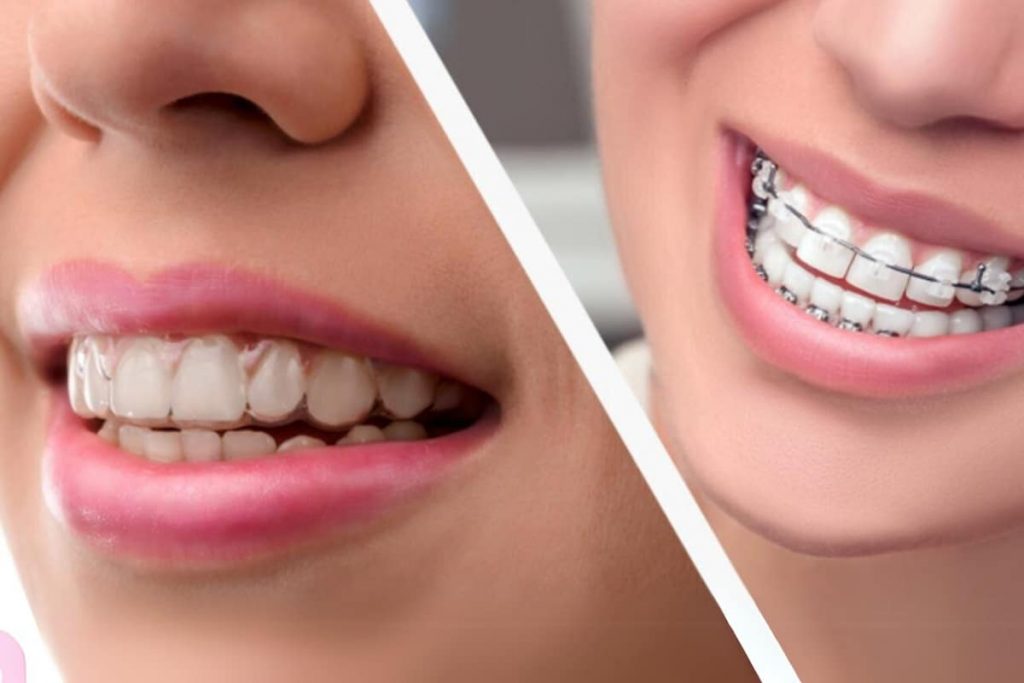
If you are dreaming of a straighter smile, orthodontic treatment can help you achieve that perfect smile, but understanding the timeline is crucial. Many people considering teeth straightening options often ask: “How long does it take to get results with Invisalign vs. traditional braces?” This article will focus on this question and explore the factors influencing treatment duration for both Invisalign and traditional braces.
Let’s delve into the world of teeth straightening and uncover the secrets to achieving your dream smile.
Invisalign vs. Braces: Understanding the Basics
Invisalign and traditional braces are both effective methods for correcting misaligned teeth and achieving a beautiful smile. However, they work differently and have varying treatment timelines.
Invisalign utilizes a series of custom-made, clear aligners that gradually shift your teeth into the desired position. These aligners are virtually invisible, removable, and offer a more comfortable experience compared to traditional braces.
Traditional braces consist of metal brackets cemented to your teeth and connected by wires. These wires are adjusted periodically by an orthodontist to apply pressure and move your teeth. While traditional braces are more noticeable, they are often more effective for complex cases.
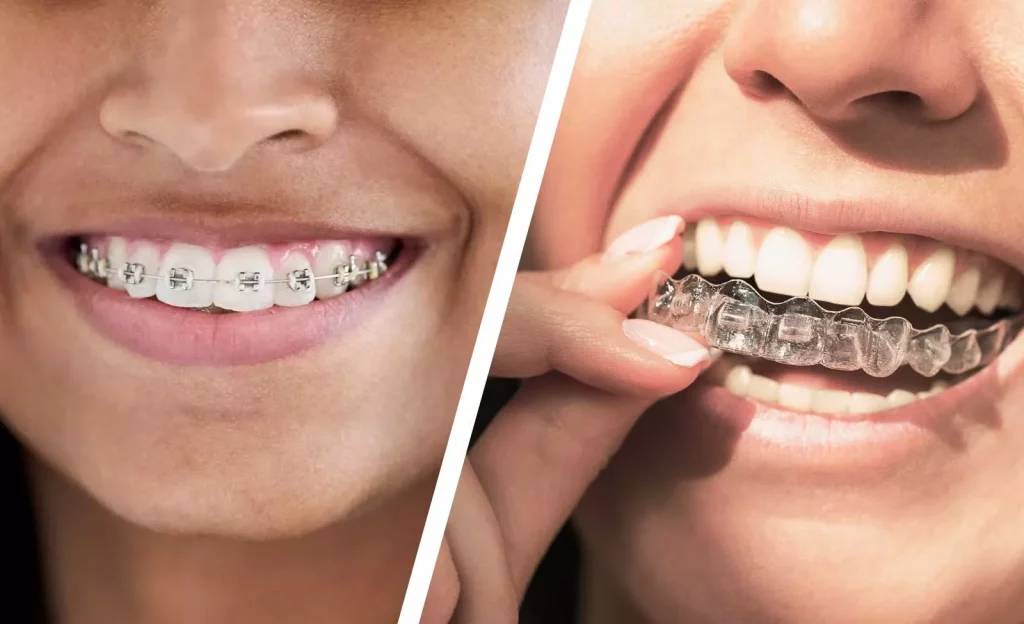
Average Treatment Time of Invisalign vs. Traditional Braces
The average treatment time for both Invisalign and traditional braces varies depending on the complexity of your case. However, here’s a general guideline:
- Invisalign: Treatment typically lasts between 12 to 18 months. However, some patients may see results in as little as 6 months, while more complex cases can take up to 24 months.
- Traditional Braces: The average treatment time for traditional braces is around 18 to 24 months. Complex cases can extend beyond 3 years.
Keep in mind that these are just averages. Your specific treatment timeline will be determined by your orthodontist after a thorough examination.
Invisalign or Braces? Let’s Figure It Out Properly
Both Invisalign and traditional braces can effectively straighten teeth, but the right choice depends on your case. Contact Empress Walk Dental in Toronto to ensure your retention plan is on track.
Schedule your appointment now!
Factors Influencing Treatment Time
Several factors can influence the duration of your orthodontic treatment, regardless of whether you choose Invisalign or traditional braces:
- Complexity of the Case: The severity of your malocclusion (misalignment of teeth) plays a significant role. More complex cases, such as severe overbites, underbites, or significant crowding, will generally require longer treatment times.
- Patient Compliance: For Invisalign, consistent wear of the aligners (20-22 hours per day) is crucial for achieving optimal results. Lack of compliance can significantly extend the treatment timeline. With traditional braces, following your orthodontist’s instructions regarding food restrictions and oral hygiene is equally important.
- Age: Younger patients tend to respond faster to orthodontic treatment because their bones are still developing. Adults may experience slightly longer treatment times.
- Overall Oral Health: Healthy gums and teeth are essential for successful orthodontic treatment. Gum disease or other oral health issues can slow down the process.
- Treatment Goals: The specific goals of your treatment will also influence the duration. Minor adjustments may require less time than a complete smile makeover.
Invisalign Results Timeline: What to Expect
With Invisalign, you’ll typically receive a series of aligners, each designed to move your teeth slightly closer to their desired position. You’ll switch to a new set of aligners every 1-2 weeks, as directed by your orthodontist.
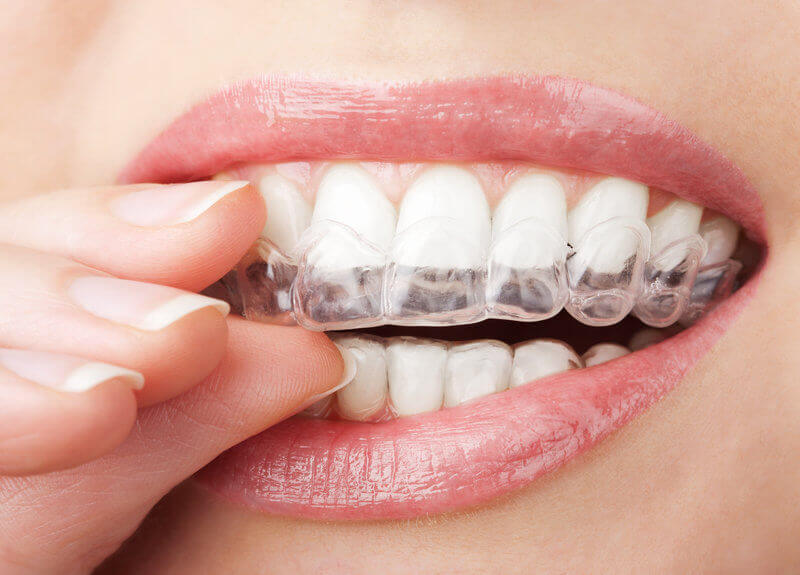
Here’s a general Invisalign results timeline:
- First Few Weeks: You may experience some initial discomfort or pressure as your teeth begin to shift. This is normal and usually subsides within a few days.
- 1-3 Months: You’ll start to notice subtle changes in your smile as your teeth gradually move into alignment.
- 6-12 Months: Significant improvements in your teeth alignment will become more apparent.
- 12-18 Months (or longer): You’ll achieve your desired smile. Retainers will be necessary to maintain the results.
Braces Results Timeline: What to Expect
With traditional braces, you’ll visit your orthodontist every 4-8 weeks for adjustments. During these appointments, the wires will be tightened or changed to continue moving your teeth.
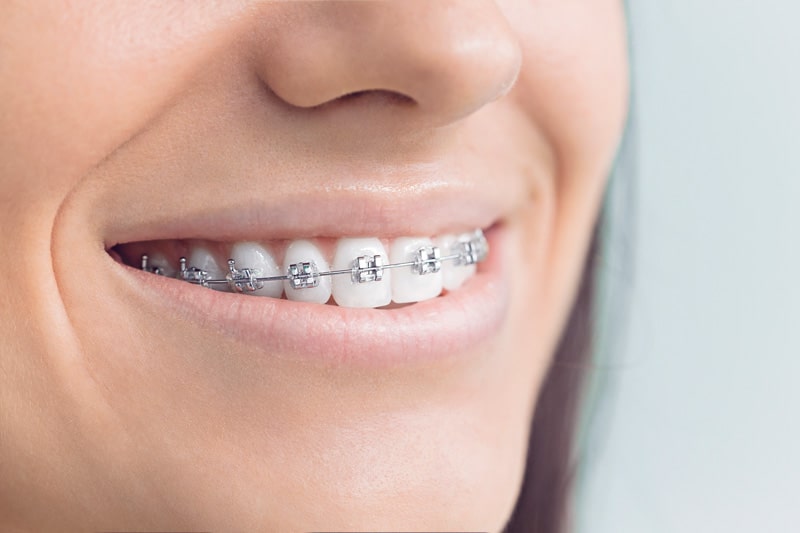
Here’s a general braces results timeline:
- First Few Weeks: You may experience some discomfort or soreness after each adjustment. This is normal and can be managed with over-the-counter pain relievers.
- 3-6 Months: Noticeable changes in your teeth alignment will begin to appear.
- 6-12 Months: Significant improvements in your smile will become more evident.
- 18-24 Months (or longer): You’ll achieve your desired smile. Retainers will be necessary to maintain the results.
The Aftercare
Regardless of whether you choose Invisalign or traditional braces, retainers are essential for maintaining your results after treatment. Retainers help to prevent your teeth from shifting back to their original position.
There are two main types of retainers:
- Removable Retainers: These are typically clear plastic aligners that you wear at night.
- Fixed Retainers: These are thin wires bonded to the back of your teeth.
Your orthodontist will recommend the best type of retainer for your individual needs. Consistent retainer wear is crucial for long-term success.
Cost Considerations
The cost of Invisalign and traditional braces can vary depending on the complexity of your case and the orthodontist you choose. In general, Invisalign tends to be slightly more expensive than traditional braces. However, many dental insurance plans cover a portion of the cost of orthodontic treatment.
It’s important to discuss the cost of treatment with your orthodontist upfront and explore your financing options. Some clinics offer payment plans to make orthodontic treatment more affordable. You can also check if you are eligible for coverage under the Canadian Dental Care Plan (CDCP) or any provincial dental plans.
Conclusion
Invisalign and traditional braces are two different and popular approaches for teeth straightening. Understanding the treatment timelines and factors that influence them can help you make an informed decision and set realistic expectations. For example, some patients believe Invisalign is the best option simply because it is more discreet. However, Invisalign also has its limitations, as noted by the Canadian Dental Association (CDA). After a professional consultation, some patients may decide that traditional braces are a more suitable option for their needs.
While the question “How long does it take to get results with Invisalign vs. traditional braces?” has no one-size-fits-all answer, this article provides a comprehensive overview to guide you on your journey to a more beautiful smile.
It’s best to consult with our experienced orthodontists at Empress Walk Dental to determine the best treatment plan for your individual needs.
FAQ
How long do I have to wear Invisalign aligners each day?
You should wear your Invisalign aligners for 20-22 hours per day for optimal results.
Are braces painful?
You may experience some discomfort or soreness after adjustments, but this is usually temporary and manageable with over-the-counter pain relievers.
Can I eat whatever I want with braces?
With traditional braces, you’ll need to avoid certain foods that can damage the brackets or wires, such as sticky or hard candies.
How often do I need to see the orthodontist with Invisalign?
You’ll typically need to see your orthodontist every 6-8 weeks for check-ups and to receive your next set of aligners.
How much does Invisalign cost in North York?
The cost of Invisalign can vary, but it generally ranges from $5,000 to $8,000. Consult with Empress Walk Dental for an accurate estimate.
Have questions about Invisalign vs. braces?
Share your experience or ask your question below.