

When you have a tooth extraction, it’s natural to wonder whether you’ll need antibiotics afterward. The short answer is, not usually. Antibiotics after tooth extraction are only prescribed when there’s a higher risk of infection, such as in complicated extractions, existing infections, or for patients with certain medical conditions. For most healthy patients, the body heals on its own with proper care and good oral hygiene.
In this guide, we’ll explain when antibiotics after tooth extraction are recommended, when they’re not necessary, and how to care for your mouth for the best healing results.
When Are Antibiotics After Tooth Extraction Prescribed?
Not every tooth extraction requires antibiotics. Dentists prescribe antibiotics after tooth extraction selectively, depending on your health and the complexity of your procedure.

Surgical or Impacted Extractions
For more complex extractions, such as wisdom tooth extraction, your dentist may prescribe antibiotics because these procedures involve more tissue and bone exposure. This slightly increases the risk of infection, so antibiotics after tooth extraction are used as a preventive step to support proper healing.
Existing Infection or Abscess
If there’s already an infection or abscess around the tooth before it’s removed, antibiotics help control the bacteria and stop the infection from spreading to nearby teeth, gums, or even other parts of the body.
Weakened Immune System
Patients with weakened immune systems, such as those managing diabetes, undergoing chemotherapy, or living with autoimmune conditions, may have a harder time fighting off infections naturally. In these cases, antibiotics after tooth extraction give the body extra protection while it heals from the extraction.
Multiple or Long Extractions
When several teeth are removed during one appointment or when the extraction procedure takes longer than usual, antibiotics may be recommended to reduce the chance of bacterial infection and ensure a smooth recovery process.
Routine Extractions in Healthy Patients
If your extraction is simple and you’re otherwise healthy, antibiotics usually aren’t necessary. Studies show that good oral hygiene, proper surgical technique, and careful aftercare are typically enough to prevent infection. Overprescribing antibiotics after tooth extraction can do more harm than good, contributing to antibiotic resistance.
After a tooth extraction, many patients explore their options, learn how dental implants work, discover dental implant benefits, and understand how they can safely replace missing teeth while supporting long-term oral health.
Commonly Prescribed Antibiotics After Tooth Extraction
Dentists choose antibiotics after tooth extraction based on the type of bacteria likely to cause infection and your medical history. Common options include:
- Amoxicillin – the most frequently prescribed antibiotic for dental infections
- Penicillin VK – effective for many oral bacteria
- Clindamycin – often used for patients allergic to penicillin
- Metronidazole – sometimes prescribed for anaerobic infections
Learn from the Cleveland Clinic how antibiotics are used to treat tooth infections and when they are necessary for effective dental care.
Common Medications After Dental Treatment
| Medication / Type | Typical Dose | Duration | Purpose | Notes for Special Patients |
|---|---|---|---|---|
| Ibuprofen (NSAID) | 200–400 mg every 6–8 hours | 1–5 days | Reduce pain and swelling | People with heart, kidney problems, or on blood thinners should check with a doctor first. |
| Naproxen (NSAID) | 220 mg every 8–12 hours | 3–5 days | Pain and inflammation | Same precautions as ibuprofen. |
| Acetaminophen (Paracetamol) | 500–1000 mg every 6–8 hours | 1–3 days | Pain relief | Safe for patients with stomach issues; avoid high doses in liver problems. |
| Amoxicillin (Antibiotic) | 500 mg every 8 hours | 5–7 days | Prevent/treat infection | Often used for diabetic patients; avoid if allergic to penicillin. |
| Amoxicillin/Clavulanic Acid | 500/125 mg every 8 hours | 5–7 days | Treat complex infections | Check with doctor if digestive problems exist. |
| Clindamycin | 300 mg every 6 hours | 5–7 days | Penicillin alternative | Monitor liver function in patients with liver disease. |
| Combination Painkillers (e.g., codeine + acetaminophen) | As prescribed | Until severe pain subsides | Moderate to severe pain | Use with caution in heart, respiratory issues, or if taking other medications. |
| Chlorhexidine Mouthwash | 15 ml twice daily | 7–14 days | Reduce bacteria and help healing | Usually safe for most patients; follow instructions. |
Duration and Timing of Therapy
Antibiotics are generally taken for 5–7 days, depending on your case and your dentist’s recommendation. They’re usually started right after extraction if prescribed preventively or when early signs of infection are present (such as swelling, redness, or pain that worsens). Always complete the full course of antibiotics, even if you feel better, to ensure the infection doesn’t return or become resistant.
Risks, Downsides, and When Antibiotics May Not Be Needed
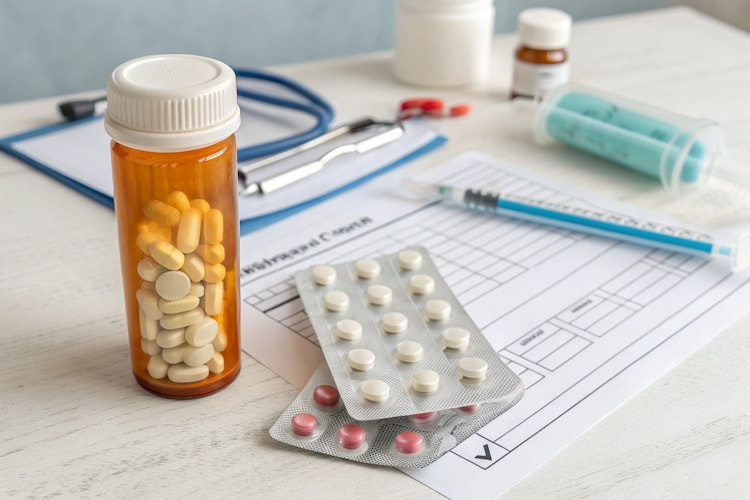
While antibiotics after tooth extraction can prevent or treat infections, they are not without risks. Some people experience digestive discomfort, nausea, or allergic reactions, and excessive antibiotic use can lead to antibiotic resistance. That’s why dentists are careful about prescribing antibiotics after tooth extraction, only when there is a clear medical reason.
In most healthy individuals, healing occurs naturally without antibiotics. The key lies in maintaining proper aftercare and avoiding habits that interfere with healing, such as smoking or poor oral hygiene. By following your dentist’s instructions and keeping the extraction site clean, you can recover comfortably and safely without the need for medication.
For ongoing oral health beyond extractions, working with a trusted dental team can make a big difference. If you want to choose the best family dentist for your entire family, Empress Walk Dental in North York offers personalized treatments and guidance to keep every smile healthy and comfortable.
Aftercare: Healing With or Without Antibiotics
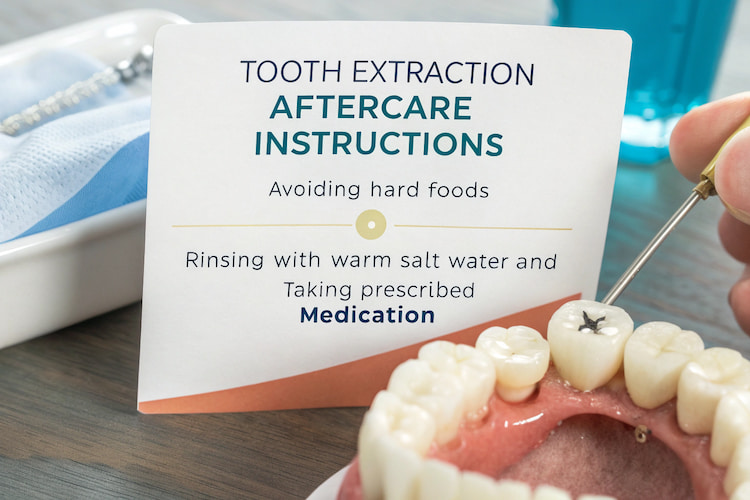
Whether or not you’re prescribed antibiotics after tooth extraction, your aftercare plays the biggest role in healing. Follow these tips for a smooth recovery:
- Avoid smoking and using straws for at least 48 hours (to prevent dry socket)
- Rinse gently with salt water after 24 hours to keep the area clean
- Stick to soft foods like yogurt, mashed potatoes, and soup
- Avoid touching the extraction site with your tongue or fingers
- Brush and floss carefully, avoiding the socket for the first few days
Warning Signs of Infection or Complications
It’s important to contact your emergency dentist immediately if you notice any warning signs of infection after a tooth extraction. These can include increasing pain after three to four days, persistent swelling or redness around the extraction site, pus or a foul taste in your mouth, fever or chills, or bleeding that doesn’t stop. Seeking prompt treatment can help prevent a minor infection from becoming more serious and support a faster, safer recovery.
Learn from Empress Walk Dental how to manage bleeding gums and keep your mouth healthy during recovery after a tooth extraction.
Book Your Post-Extraction Consultation Today!
At Empress Walk Dental, we ensure a smooth and safe recovery after your tooth extraction. Our experienced team provides personalized advice, monitors healing, and answers all your questions.
Schedule your appointment now!
Stay Safe and Healthy With Antibiotics After Tooth Extraction
Knowing when antibiotics after tooth extraction are necessary and how to care for your mouth can make all the difference in a smooth, complication-free recovery. While most healthy patients heal well without medication, those with higher-risk procedures or health conditions may benefit from prescribed antibiotics. By following your dentist’s guidance, practicing good oral hygiene, and watching for warning signs, you can protect your smile and feel confident during the healing process.
Contact us today with any questions about antibiotics, aftercare, or other dental services, such as dental implants, teeth whitening, and routine dental exams and cleaning to maintain your oral health.
FAQ
-
Do I always need antibiotics after a tooth extraction?
No. Most healthy patients don’t need antibiotics unless there’s a specific infection risk.
-
What happens if I don’t take antibiotics when prescribed?
Skipping prescribed antibiotics can lead to infection or delayed healing. Always follow your dentist’s instructions.
-
How long should I take antibiotics after extraction?
Usually 5–7 days, but it depends on your dentist’s recommendation and the type of infection.
-
Can I heal properly without antibiotics?
Yes, most patients heal well without antibiotics when they maintain proper oral hygiene and aftercare.
-
What are the signs I might need antibiotics after all?
Worsening pain, swelling, fever, or pus at the extraction site are all warning signs; see your dentist right away.
We’d love to hear from you! Share your experiences with tooth extraction and recovery, ask questions about antibiotics, or let us know what topics you’d like us to cover next.